Southern Right Whale: A Majestic Icon of Patagonia
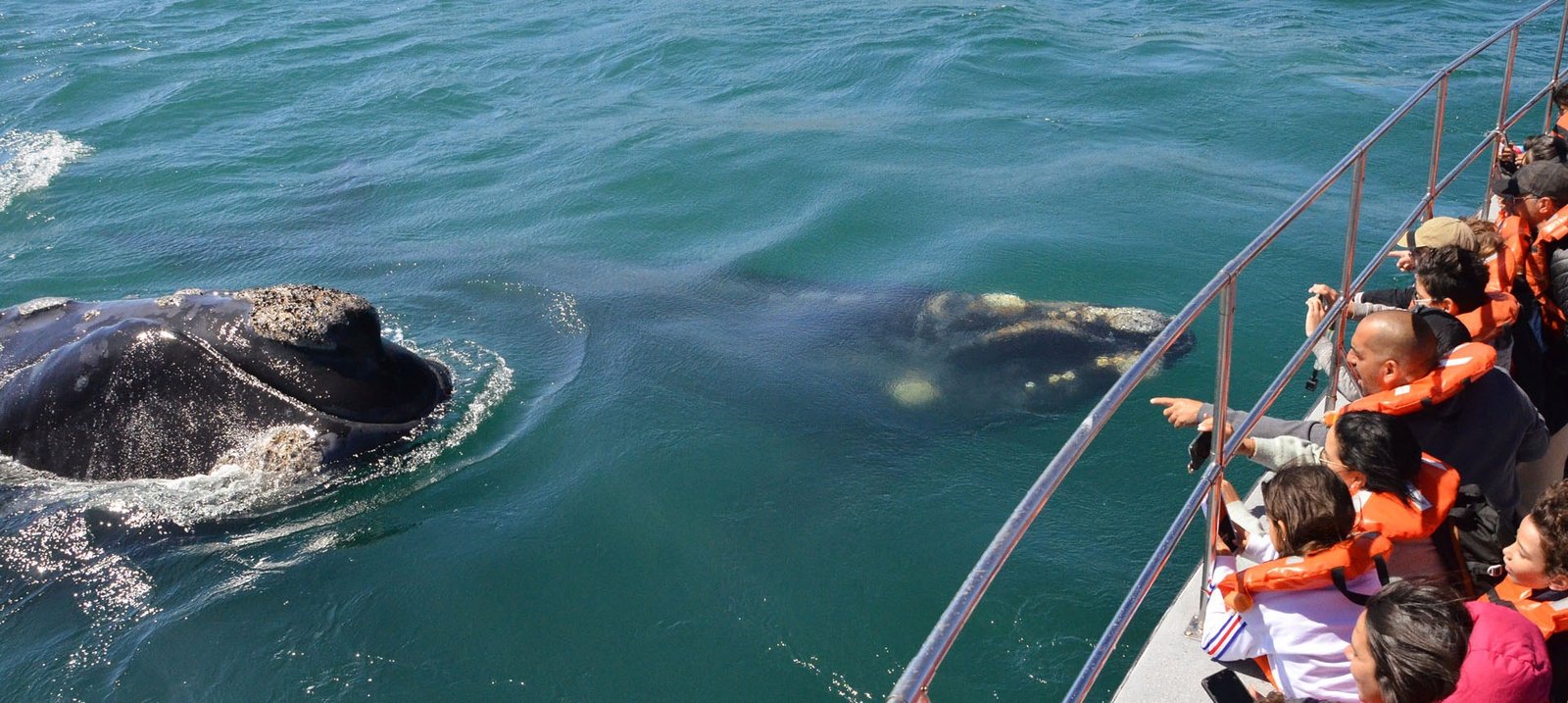
The Southern Right Whale (Eubalaena australis) is one of the most extraordinary marine species in the Southern Hemisphere, and a true highlight for travelers seeking unforgettable wildlife experiences. For centuries, these gentle giants have captivated explorers, scientists, and visitors alike. Today, they are at the heart of some of the world’s most spectacular whale-watching journeys.
.
What Makes the Southern Right Whale Unique?
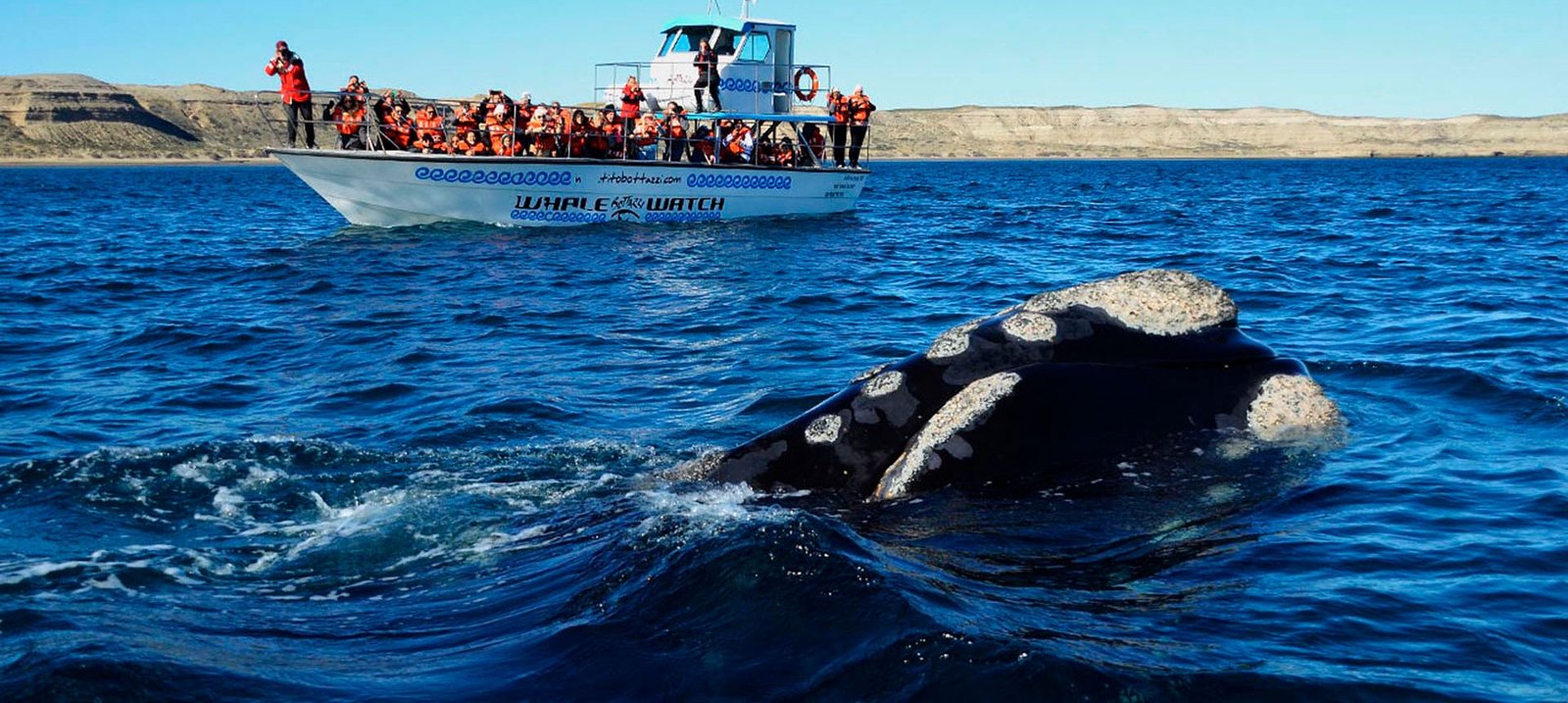
Southern Right Whales are easily recognizable thanks to their massive bodies, dark coloration, and the absence of a dorsal fin. One of their most distinctive features is the presence of rough patches on their heads called callosities. These unique patterns act like natural fingerprints, allowing researchers to identify individual whales.
Adults can reach impressive sizes, typically between 12 and 17 meters in length and weighing up to 40 tons or more. Their large heads, which can make up nearly a third of their body length, and their curved mouths equipped with baleen plates make them highly efficient filter feeders.
.
Why Are They Called “Right Whales”?
The name “right whale” dates back to the era of commercial whaling. These whales were considered the “right” ones to hunt because they swim slowly, stay close to shore, and float after death, making them easier targets for hunters. Unfortunately, this led to intense exploitation between the 17th and 20th centuries, pushing the species to the brink of extinction.
.
Habitat and Migration
Southern Right Whales inhabit the cold and temperate waters of the Southern Hemisphere, including regions off Argentina, Chile, South Africa, Australia, and New Zealand.
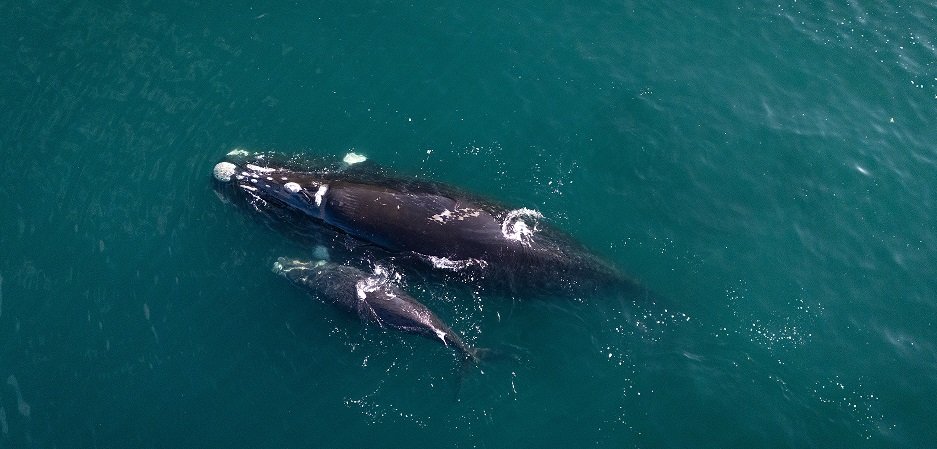
Each year, they migrate from sub-Antarctic feeding grounds to warmer coastal waters to reproduce. One of the most important breeding areas in the world is Patagonia, where thousands of whales gather between June and December. These calm, shallow waters provide the perfect environment for mating, giving birth, and nurturing calves.
.
Behavior and Whale Watching Experience
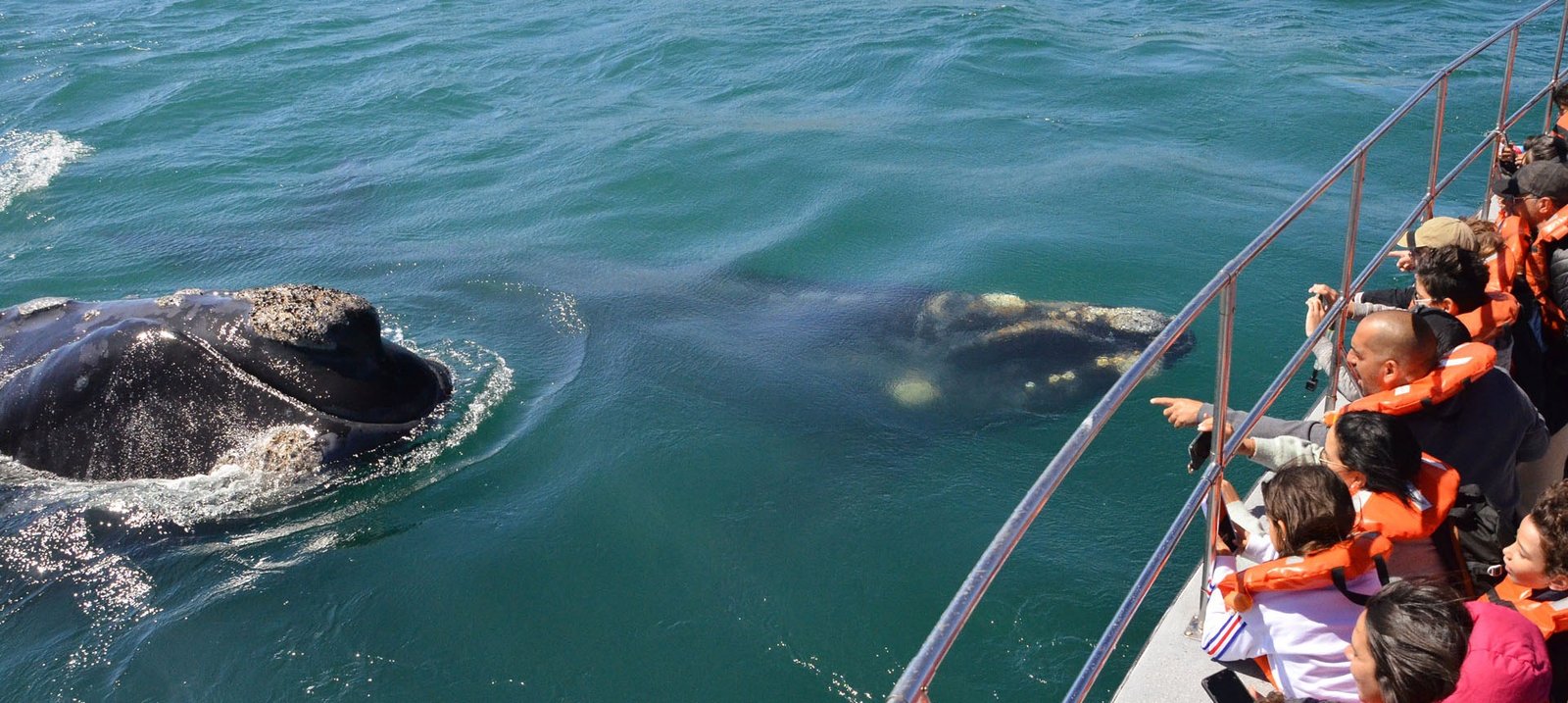
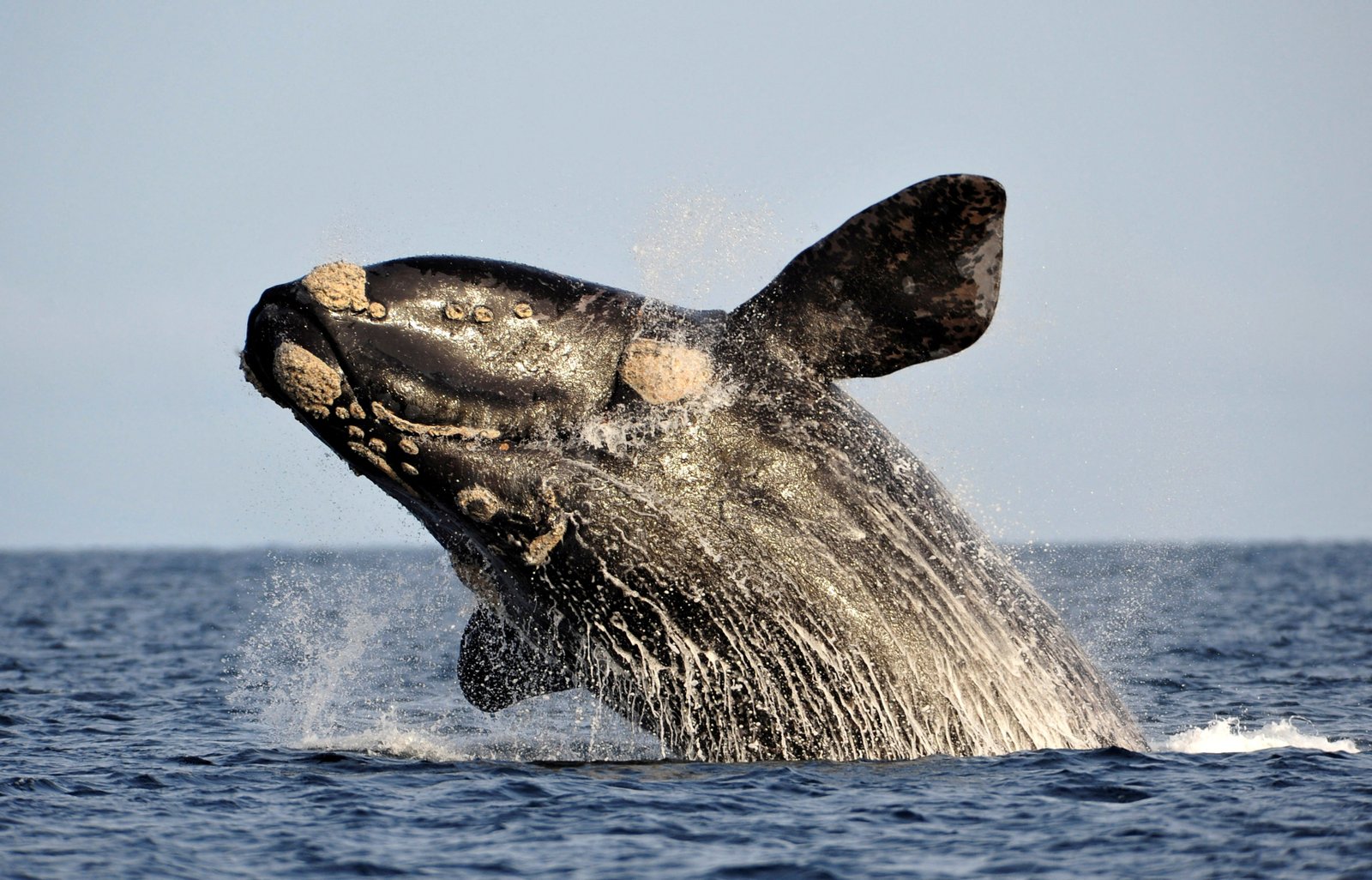
Southern Right Whales are known for their surface activity, making them a favorite among wildlife enthusiasts. Visitors often witness spectacular behaviors such as breaching (jumping out of the water), tail slapping, and “sailing,” where whales lift their tails above the surface.
For travelers, this means a high chance of close encounters, sometimes even from the shore. Whale watching in Patagonia has become a world-renowned experience, attracting visitors eager to observe these giants in their natural habitat.
.
Conservation: A Story of Recovery and Ongoing Challenges
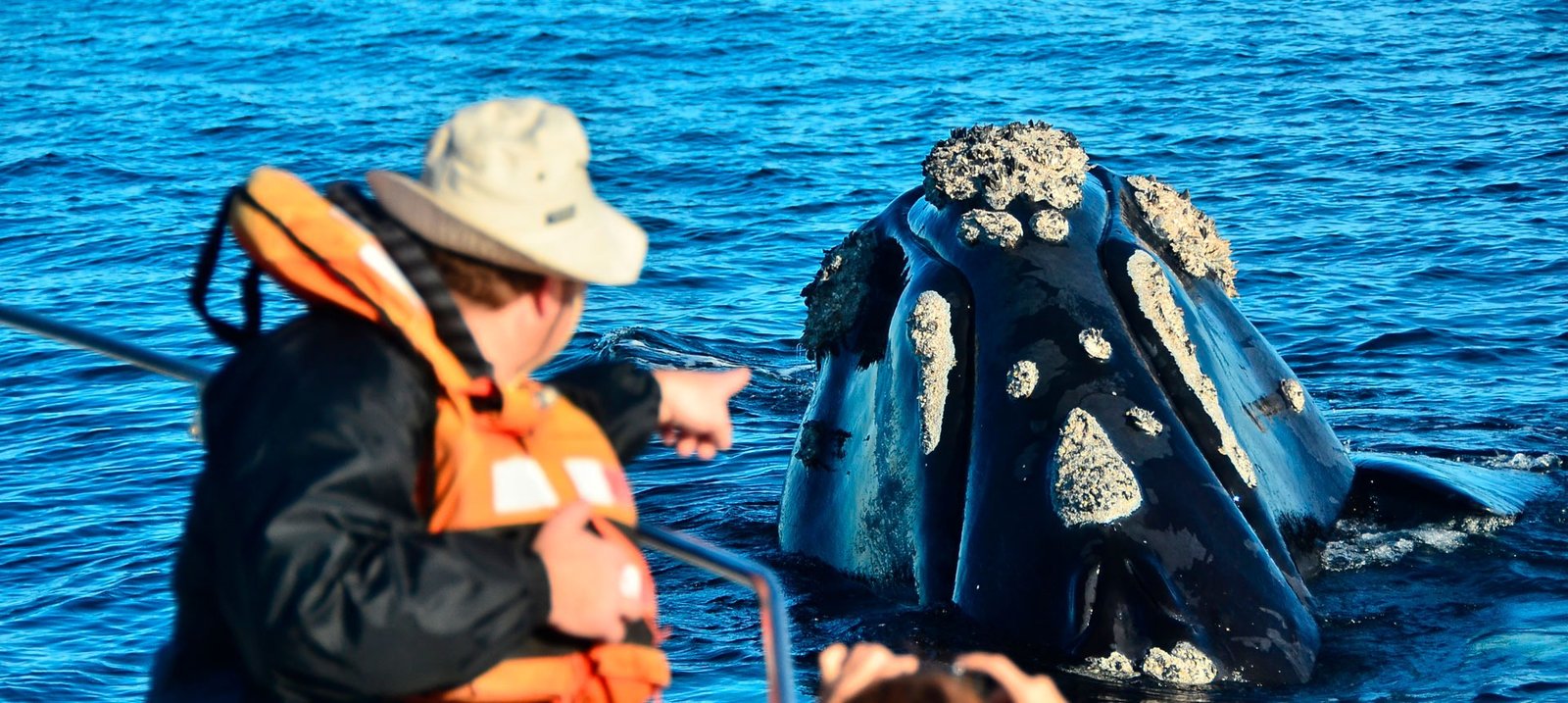
After decades of protection following international agreements in the 20th century, Southern Right Whale populations have shown encouraging signs of recovery. However, they are still considered vulnerable and face modern threats such as climate change, ship traffic, and environmental disturbances.
Recent studies also suggest that environmental changes may be affecting their breeding cycles, highlighting the importance of continued conservation efforts.
.
Why Include Southern Right Whales in Your Travel Plans?

For any traveler focused on nature and adventure, Southern Right Whale watching offers a powerful combination of emotion, education, and sustainability. It’s not just about seeing wildlife, it’s about connecting with one of the planet’s most iconic marine species in a responsible way. Whether from a boat or the shoreline, witnessing these whales in the wild is an experience that stays with travelers forever.
.
Plan Your Next Adventure
From Patagonia’s dramatic coastlines to its rich marine biodiversity, encountering Southern Right Whales is a once-in-a-lifetime experience. If you are looking for meaningful, awe-inspiring travel experiences, this is one destination, and one species, you won’t want to miss. Take a look at our itineraries that include Southern Right Whale watching.