Salta to San Pedro de Atacama via Paso de Jama: Private Border Crossing Logistics
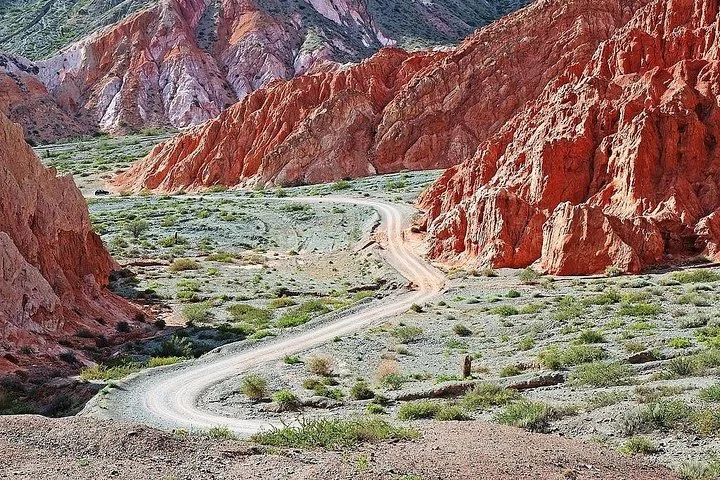 The Salta to San Pedro de Atacama crossing takes one full day: roughly 600 km, 9 to 10 hours on the road plus border processing. The route climbs to 4,170 m at the Cuesta de Lipán, crosses the border at 4,200 m and reaches its highest point, around 4,800 m, on the Chilean side. From there it drops about 2,400 m into the Atacama basin.
The altitude is the main variable. Few itineraries in Argentina or Chile put you this high, this fast, in a single day. The route is paved the whole way, and the weather decides whether it opens. The rest of what makes this day complex (vehicle permits, border paperwork, timing and weather calls) is logistics, and that part can be handed off entirely.
The Day in Numbers
Location | Altitude | Distance / time |
Salta | 1,187 m | Start |
Purmamarca | 2,192 m | Base of the Cuesta de Lipán |
Cuesta de Lipán summit (Abra de Potrerillos) | 4,170 m | 17 km climb from Purmamarca |
Salinas Grandes | 3,450 m | 66 km from Purmamarca |
Susques | 3,675 m | Last town before the border |
Paso de Jama | 4,200 m | 155 km from Susques, about 1 hour 20 minutes |
Highest point of Route 27 (Chile) | ~4,800 m | About 60 km past the border |
San Pedro de Atacama | 2,400 m | 155 km from the pass, about 2 hours 15 minutes |
What You See on the Way
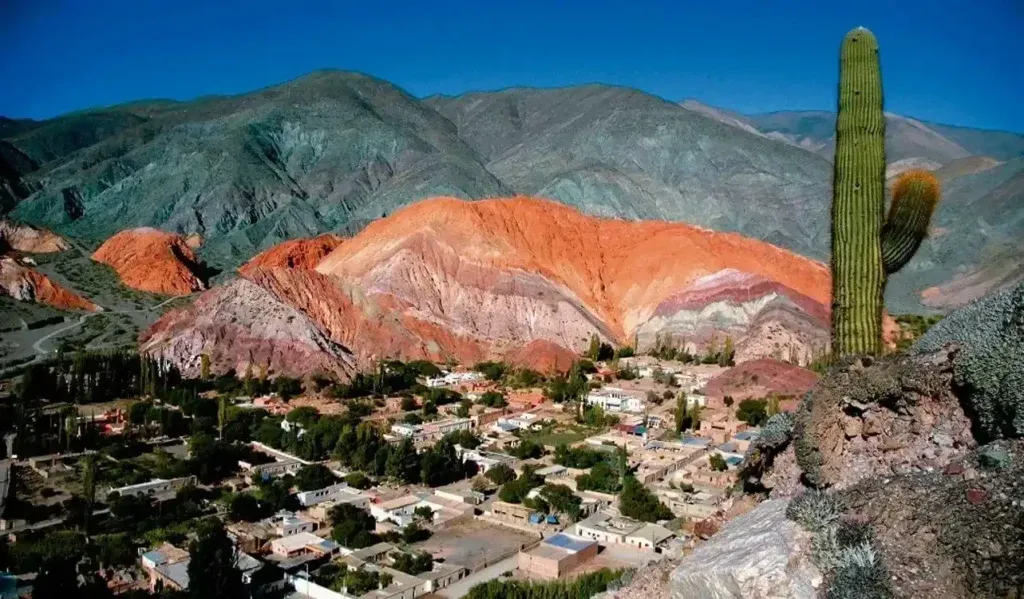
The first stretch follows the Quebrada de Humahuaca corridor to Purmamarca, where the Cerro de los Siete Colores sits above the village. From there Route 52 starts the Cuesta de Lipán, 17 km of switchbacks that gain about 2,000 m of elevation.
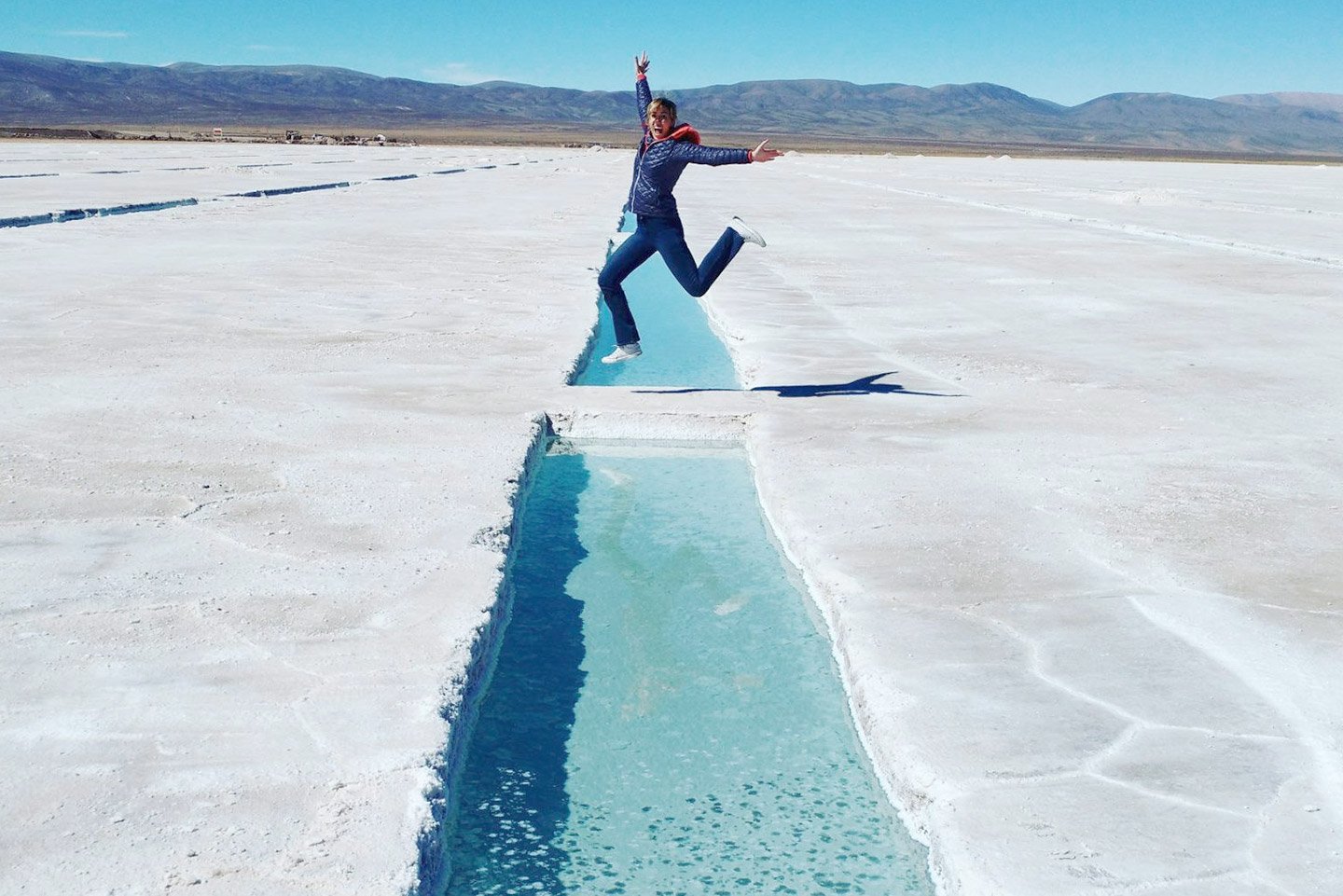
At the Abra de Potrerillos summit there is a viewpoint and an altitude marker, a few metres before the top of the climb. Stop here for 10 to 15 minutes, not longer. The descent to Salinas Grandes follows, a salt flat of more than 120 km² where local communities run the guided walks.
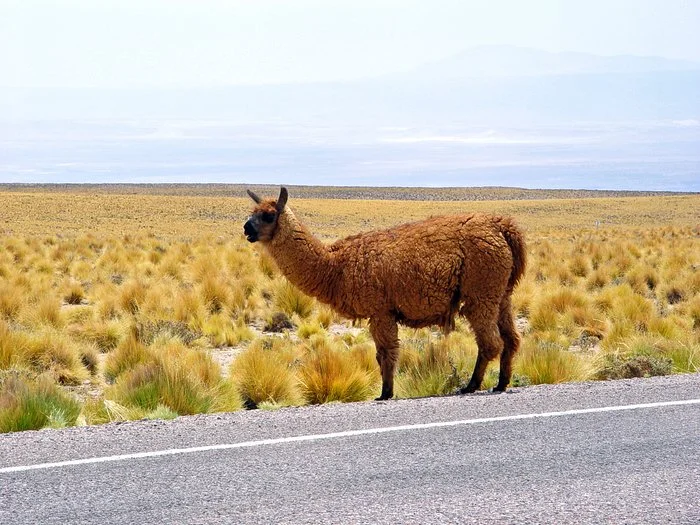
Susques is the next stop and the practical lunch point. It is the last full-service town before the border, so this is where the day gets divided: everything after it is high, empty puna with guanaco and vicuña and very little else.
How the Altitude Affects This Specific Day
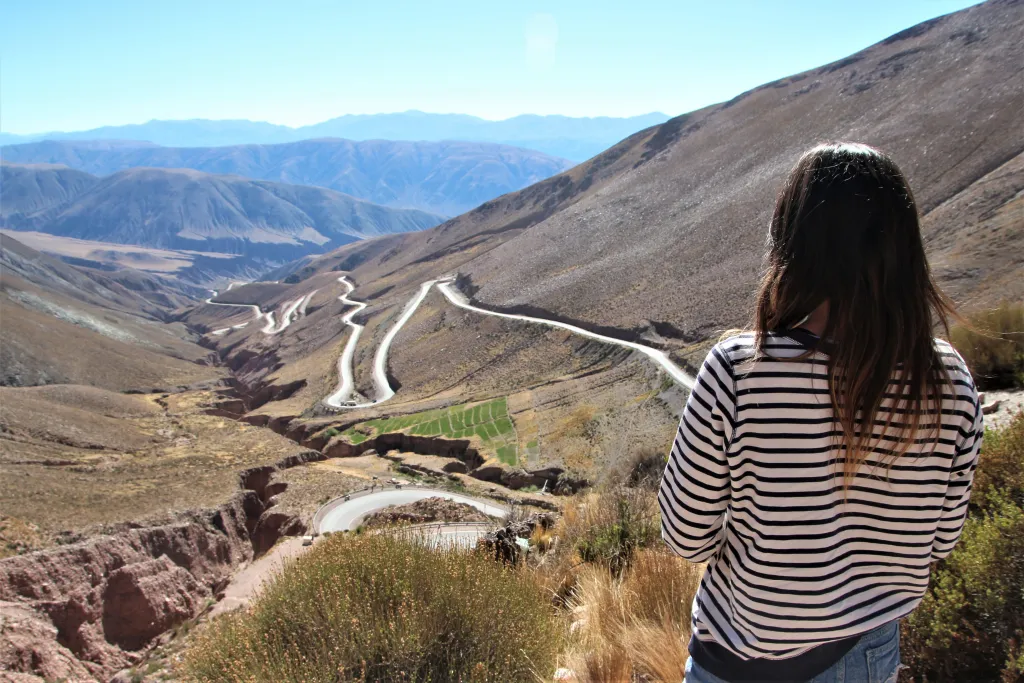
Most itineraries reach the Cuesta de Lipán after a night in Salta at 1,187 m. That means a gain of almost 3,000 m in about 3 hours of driving, with no acclimatization built in. Headache, shortness of breath and nausea are common at the summit and at Susques.
Symptoms usually ease on the descent toward San Pedro, but not before the highest point of the day, around 4,800 m on the Chilean side, less than an hour past the border. Travelers with heart or lung conditions should check with their doctor before booking.
Our recommendation is to sleep in Purmamarca (2,192 m) the night before. The crossing then starts 1,000 m higher than from Salta, and the body has had a night at moderate altitude.
On the day itself:
Drink water steadily from the first hour, and skip alcohol the night before.
Keep lunch light. Heavy meals at 3,675 m feel worse than they sound.
Move slowly at stops. Walking fast to a viewpoint at 4,170 m is the most common trigger for a headache.
Ask your doctor about altitude medication well before the trip, not in Salta.
Real Timing, Start to Finish
An early start works best. A departure around 06:30 AM from Salta (or 08:00 AM from Purmamarca) puts you at the pass in the early afternoon, with daylight left on the Chilean side.
Driving alone is about 6 hours to the pass and 2 hours 15 minutes after it. Add stops at the Cuesta, Salinas Grandes and Susques, plus border processing, and you arrive in San Pedro in the late afternoon or early evening.
The border adds an hour or more in practice, and queues vary with the day of the week and with how many buses and trucks are waiting. Chile's control point is the slower of the two sides because of the agricultural inspection.
Border hours change with the season and the weather. Recent reports give 09:00 AM to 07:00 PM on the Argentine side and 08:00 AM to 06:00 PM on the Chilean side, each in local time. Our team confirms them the day before your crossing.
Chile and Argentina are one hour apart for part of the year, because Chile changes its clocks and Argentina does not.
How We Handle the Cross-Border Logistics
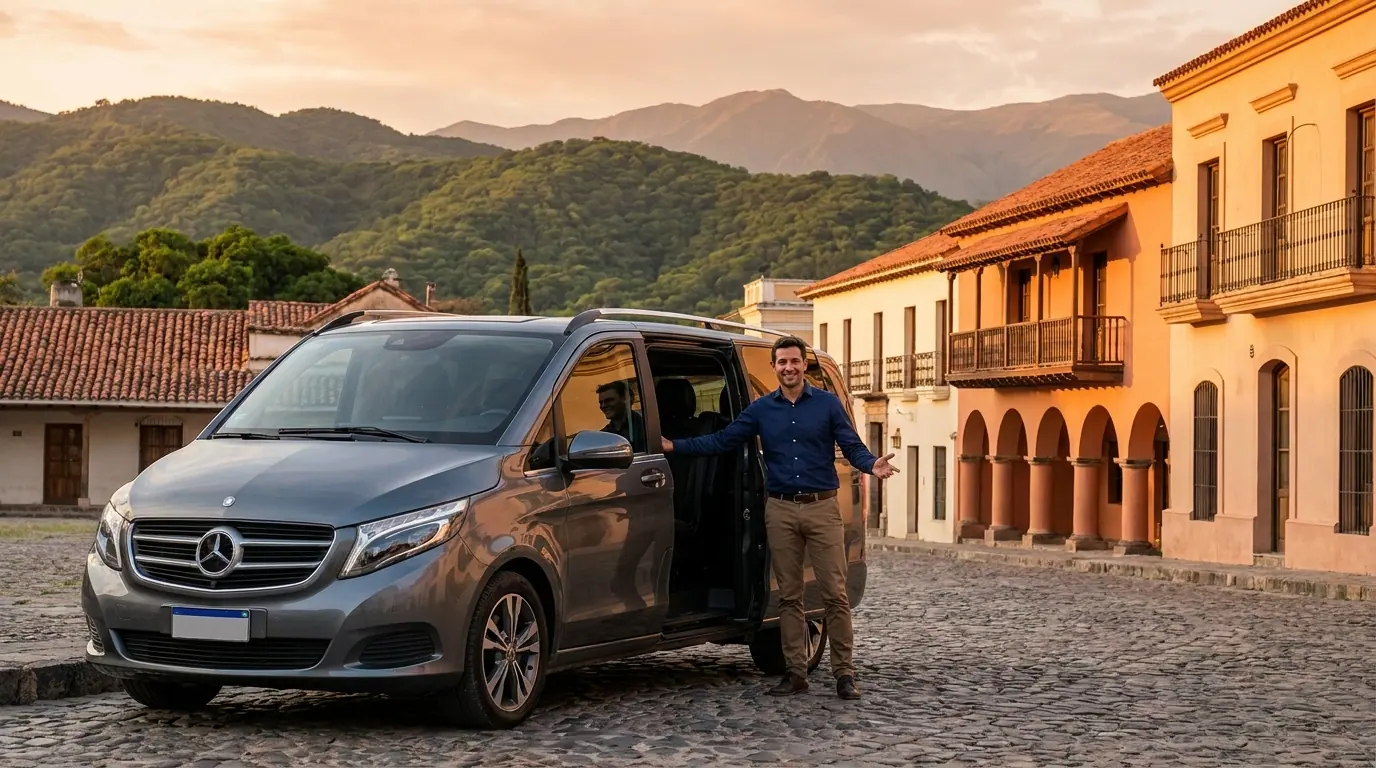
A private transfer from Salta to San Pedro de Atacama is not an ordinary road transfer. The vehicle must be authorized for international passenger transport and carry the insurance required in Chile, and the crossing has to be timed against border hours, the time difference and the weather on the pass. This is the part of the trip we take off your hands.
Before the crossing: we confirm the vehicle's international permits and insurance, prepare the passenger list with your passport details, and send you a short reminder a few days before with what to have at hand and what you cannot carry into Chile.
On the day: the same driver and vehicle take you all the way from Salta (or Purmamarca) to your hotel in San Pedro de Atacama, with no change of vehicle at the border. Your driver handles the vehicle documents and the sequence at both control points, Argentine exit and Chilean entry, including the SAG inspection. You only need to be present with your passport.
On the Chilean side: we let your hotel and your Atacama guide know your estimated arrival time, and update them if the border queue runs long.
If conditions change: our team monitors the official road reports on both sides of the pass, confirms border hours and conditions the day before, and keeps you informed if anything changes. If the pass closes, we help you rearrange hotels and services in Argentina and Chile.
What Can Stop the Crossing
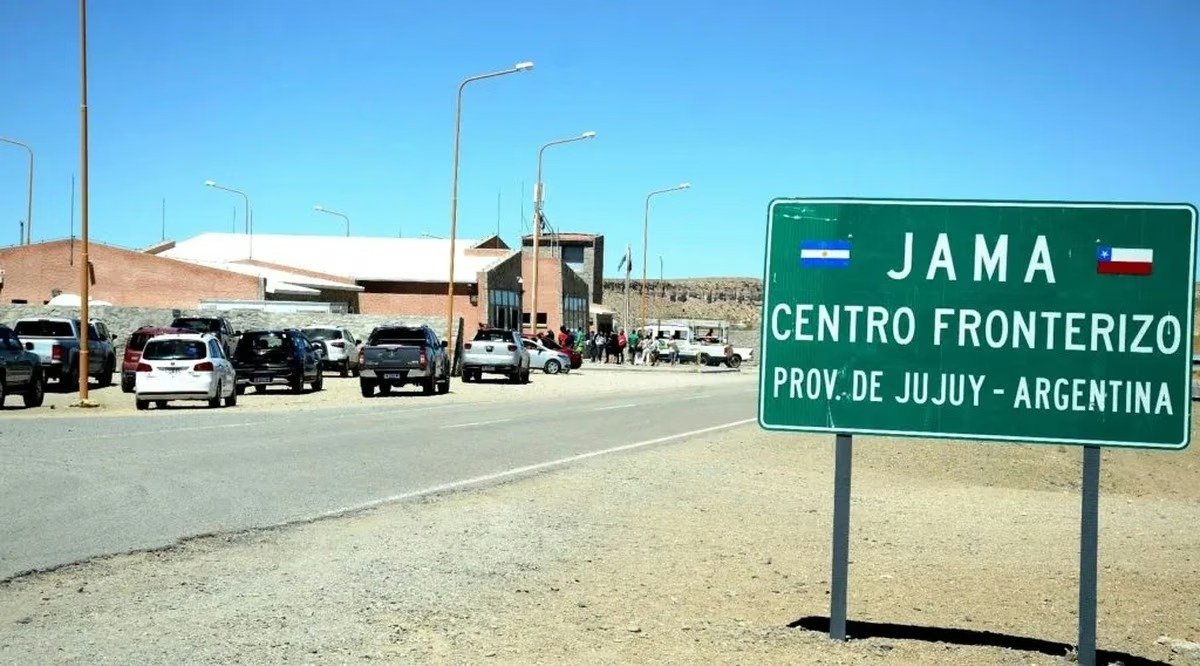
Weather closes this pass. Snow, ice and strong wind on the high sections are the usual causes, and closures are most common in winter, though not limited to it. In August 2026, around 150 trucks were stranded on the Argentine side while snow and blowing wind kept the pass closed for several days.
A closure does not always mean a lost day. It can mean waiting in Susques, or an early departure the next morning once the pass reopens. Because we know this route closely, we build a buffer day into winter crossings. If the pass stays closed, our team helps you rearrange hotels and services on both sides of the border.
Our guides also look at wind forecasts and the previous night's snowfall before confirming a departure. Wind alone can slow the final climb and the border queue, even when the road is open.
What You Cannot Carry Into Chile
Chile's agricultural service (SAG) inspects luggage at this crossing. The following items are prohibited or confiscated:
● Fresh fruit and vegetables, including what you bought in Salta or Purmamarca
● Meat and cold cuts, including sandwiches
● Honey and other bee products
● Unlabeled food of any kind
● Coca leaves, which are legally treated as a controlled substance in Chile
The coca leaf is the one that catches travelers off guard. Chewing leaves is common on the Argentine side and sold at Salinas Grandes, but the leaves cannot cross the border, even for personal use. Finish or discard them before the pass.
Processed and packaged foods (canned goods, jams, sealed snacks) are generally allowed for personal consumption. When in doubt, declare it on the customs form. Undeclared prohibited items can mean a fine.
What You Need to Carry
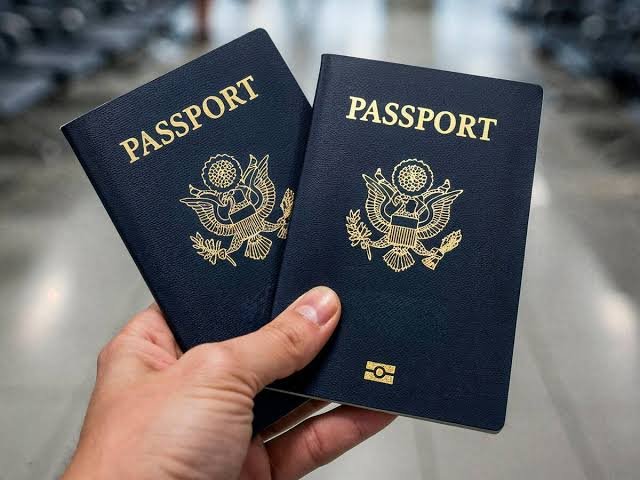
Every traveler needs a valid passport. Entry rules vary by nationality, so check your own requirements before departure. Vehicle documents, crossing sequence and customs paperwork for the transfer are handled by your Southwind driver. You only need to be present at each control point. A few days before the crossing, we send you a reminder of what to have at hand.
Quick Reference
Total distance Salta to San Pedro | About 600 km |
Driving time | 9 to 10 hours including stops, plus border |
Highest point | ~4,800 m, on the Chilean side (4,200 m at the border, 4,170 m at Cuesta de Lipán) |
Border hours | Argentina 09:00 AM to 07:00 PM; Chile 08:00 AM to 06:00 PM (local times, confirmed the day before) |
Best start | 06:30 AM from Salta, 08:00 AM from Purmamarca |
Prohibited into Chile | Fresh produce, meat, honey, unlabeled food, coca leaves |
Main risk | Weather closures on the high sections, mainly in winter |
The Bottom Line
Plan the crossing as a full travel day with its own acclimatization strategy, not as a transfer. The route is paved, scenic and well suited to a private vehicle, but it takes you close to 4,800 m with little warning.
Sleep in Purmamarca the night before if you can. Start early, keep the pace slow at the high points, leave coca leaves and fresh food behind and treat winter weather as a real variable.
Southwind Experience designs private Northwest Argentina and Atacama itineraries, with local drivers and guides in each region coordinated by our team in Argentina. We handle the border sequence, the timing and the weather decisions so the crossing day runs on a plan, and we are reachable by WhatsApp before and during your trip.