Puma Watching in Torres del Paine: Realistic Odds and How to Improve Them
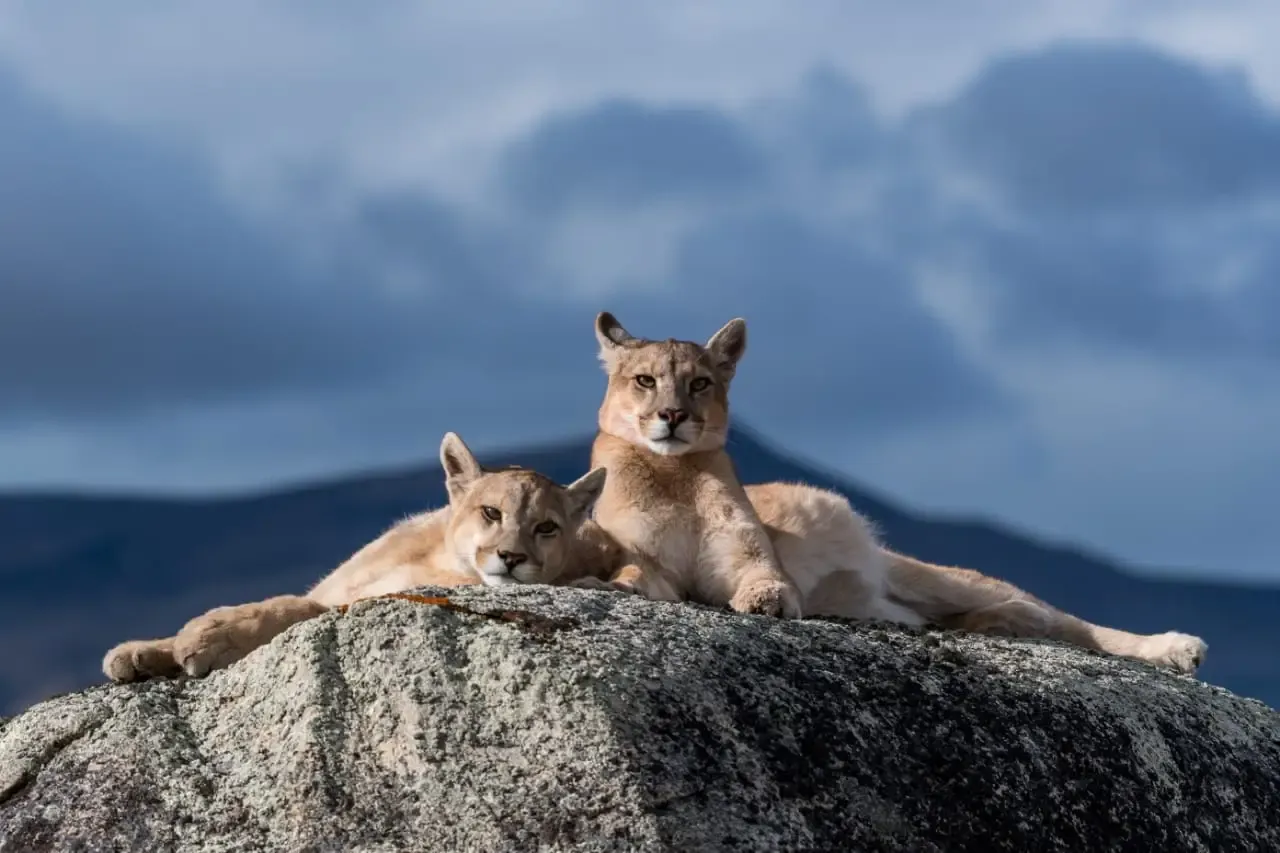
A single day of puma tracking in Torres del Paine gives you roughly a 30–40% chance of a sighting, even with an experienced tracking team. Extend the search to three consecutive days and the cumulative odds rise to around 65–80%. The difference isn't luck: it's how the odds build up over several days, how guanacos behave and which zone your tracker targets each morning.
No one can promise a puma. These figures are our estimates, based on how tracking days in the eastern sector usually go, not published statistics. What follows is what shapes your chances: which areas matter, why timing inside the day matters more than the season you pick, and how guanacos tell trackers where to look. The good news is that you don’t need to work any of this out yourself: choosing the sector, the season, the number of days and the tracker is exactly what we plan for you. What follows explains how those choices shape your chances.
Why Does Torres del Paine Have So Many Pumas?
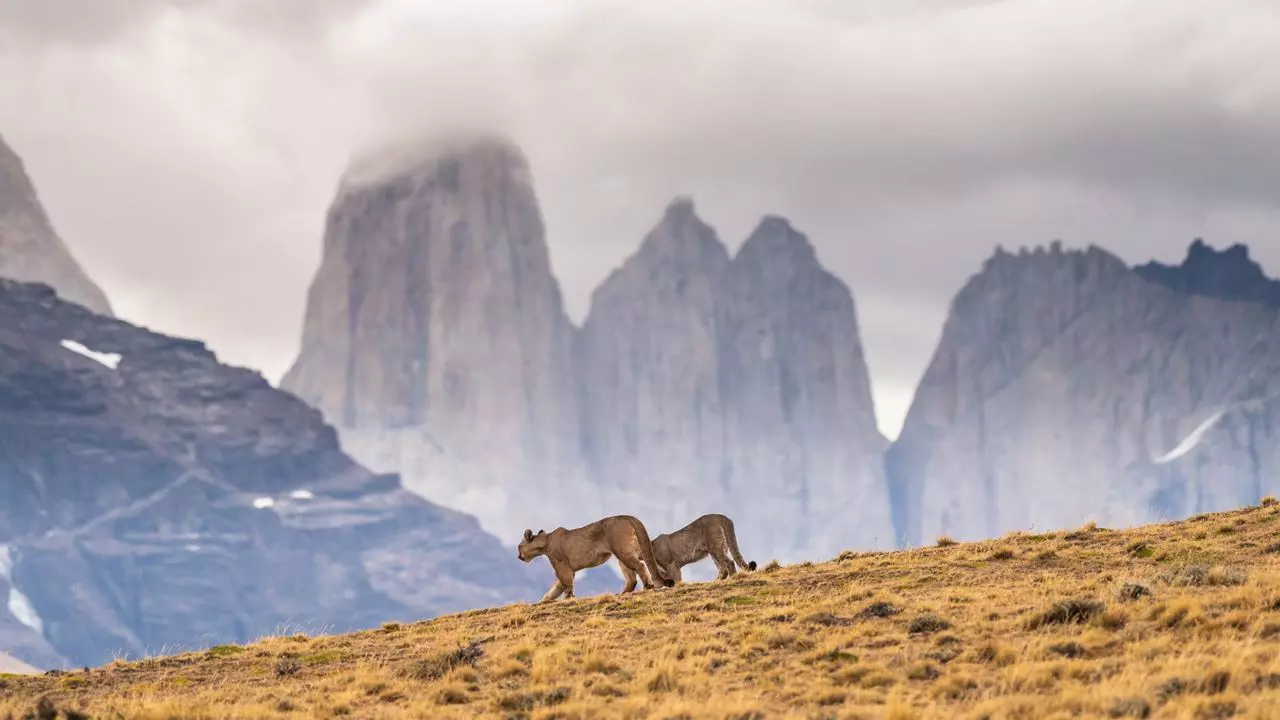
Wild puma density varies enormously across Patagonia. A study by Panthera, CONAF and Leona Amarga estimated about 5 pumas per 100 square kilometers in the area east of the park where puma tourism takes place, among the highest densities documented for the species. Three conditions explain it: an abundant guanaco prey base, open pampa terrain with enough low cover for a stalking cat but not enough to hide it from binoculars or a scope, and decades of protection that let the population recover.
That combination doesn't exist evenly across the park. It concentrates in two sectors.
The two sectors that actually produce sightings
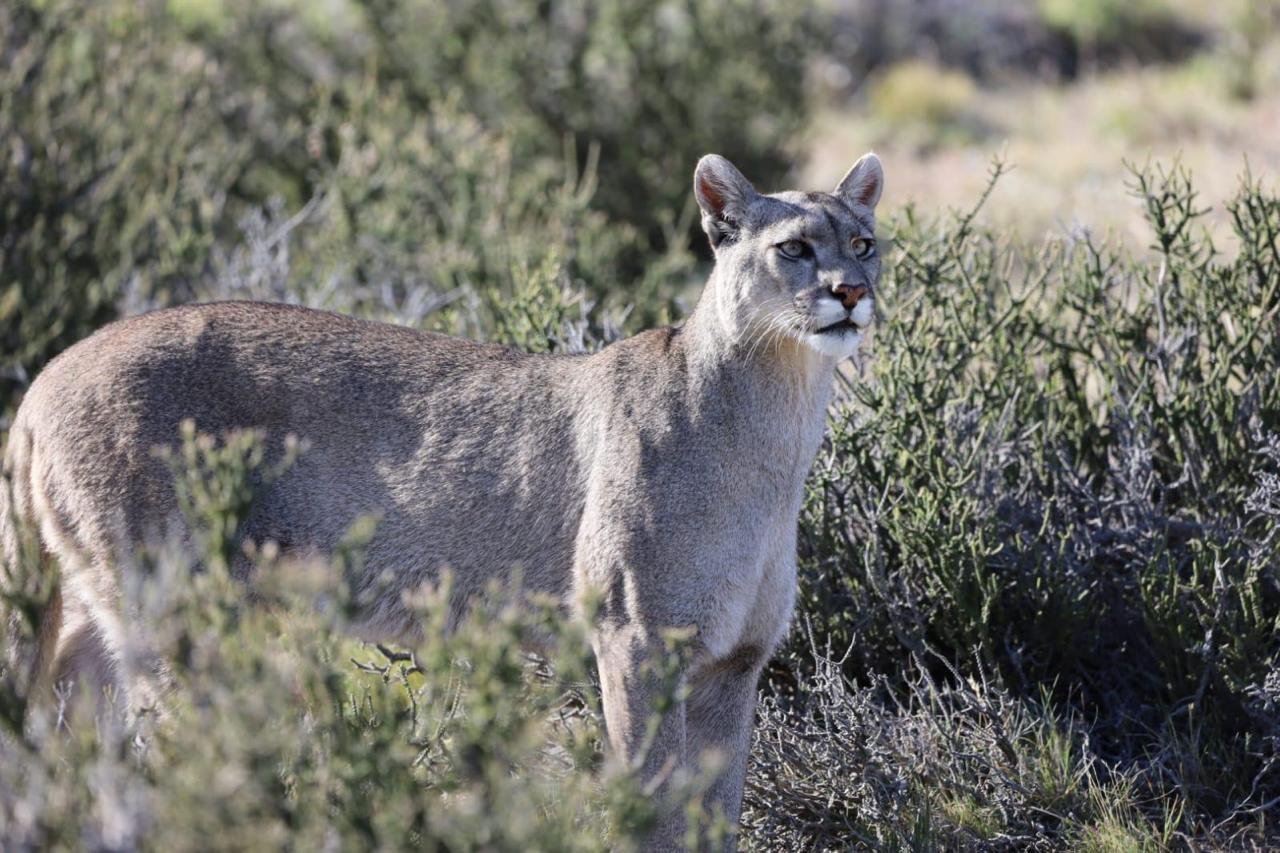
Lago Sarmiento and Laguna Amarga form what local trackers call the golden triangle, extending toward Laguna Azul as a secondary zone. Together they account for most of the sightings reported in and around the park.
Sector | Why guides target it | Best months |
Lago Sarmiento corridor | Open pampa, dense guanaco presence, minimal vegetation cover | Year-round, peaks May–August |
Laguna Amarga / Estancia Laguna Amarga | Where most puma tracking takes place, with specialized trackers | Year-round |
Laguna Azul | Secondary search zone when radio reports place cats east of Amarga | May–September |
The mechanism behind this isn't guesswork. Guides read guanaco behavior directly: a grazing, relaxed herd means no threat nearby. A herd frozen mid-motion, staring in one direction, means a puma is likely within sight. Tracking teams that operate daily in these estancias run coordinated radio networks between spotters, which is how a guide can reposition a group within minutes of a confirmed location — something a single independent visitor scanning the roadside has no way to replicate.
Tracking follows clear rules. Groups leave the vehicle and walk from the dirt tracks, since driving off-road is not allowed, and trackers keep a respectful distance so the cat's behavior doesn't change. Much of the tracking takes place on Estancia Laguna Amarga, on the park's eastern border, with trackers who know individual animals and their usual ranges.
Timing inside the day, not just the season
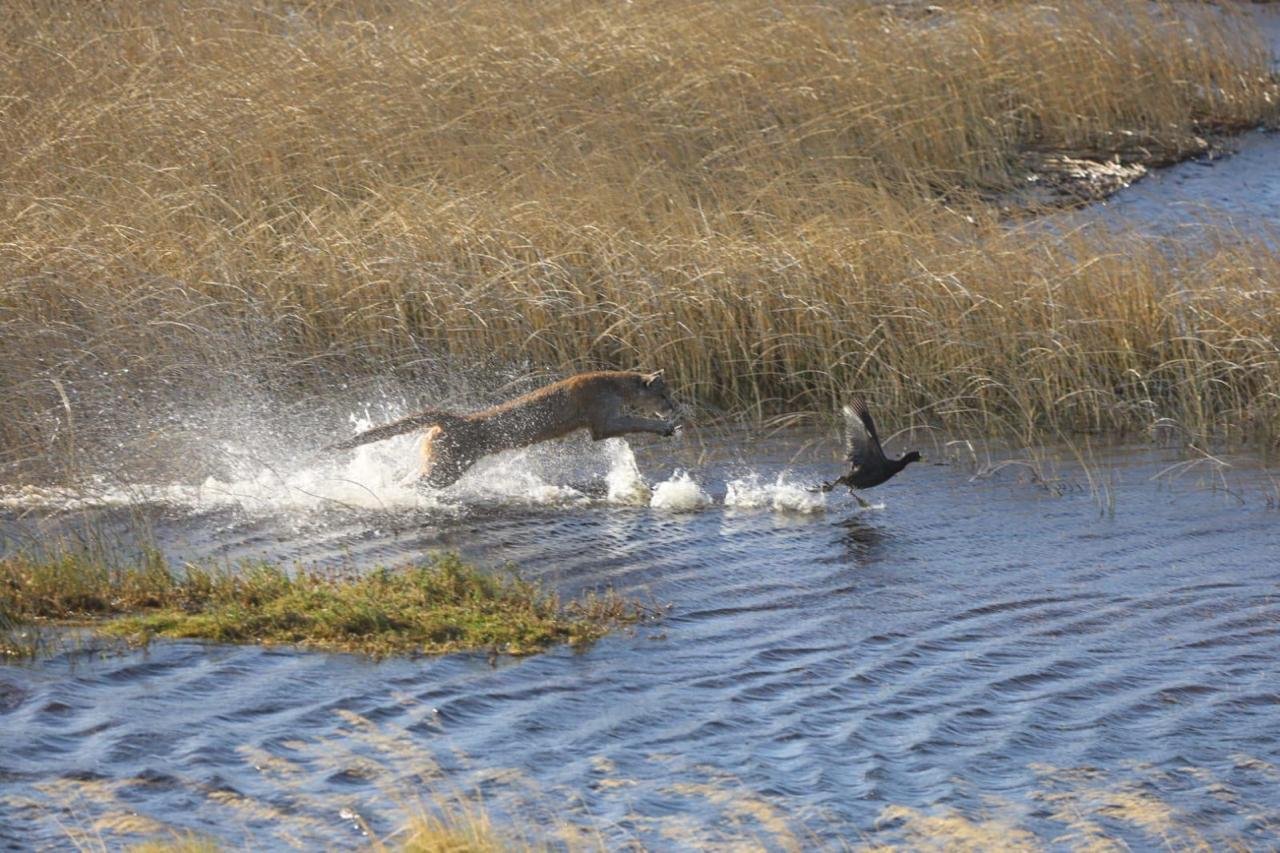
Pumas are crepuscular — most active at dawn and dusk, regardless of month. What changes by season is when dawn and dusk fall, and that reshapes the whole operating day.
Variable | January (summer) | June–July (winter) |
Daylight window | Roughly 06:00 AM to 10:00 PM (~16 hours) | Roughly 09:45 AM to 06:00 PM (~8 hours) |
Vegetation cover | Full-height grasses and shrubs | Low, frost-cut vegetation |
Average temperature | Around 6°C to 18°C | Around -5°C to 5°C, colder with wind chill |
Park crowd level | High | Minimal |
In January, the activity window is compressed into two narrow bands at the edges of a long day, and taller grass gives cats more places to disappear. In midwinter, the entire search day sits closer to dawn-and-dusk conditions by default, and low vegetation means a puma bedded down on a hillside is visible from a greater distance. This is the real reason winter searches tend to be more successful — not that pumas behave differently, but that the terrain hides them less and the whole short day overlaps with their active hours.
What guanaco groups reveal about each season
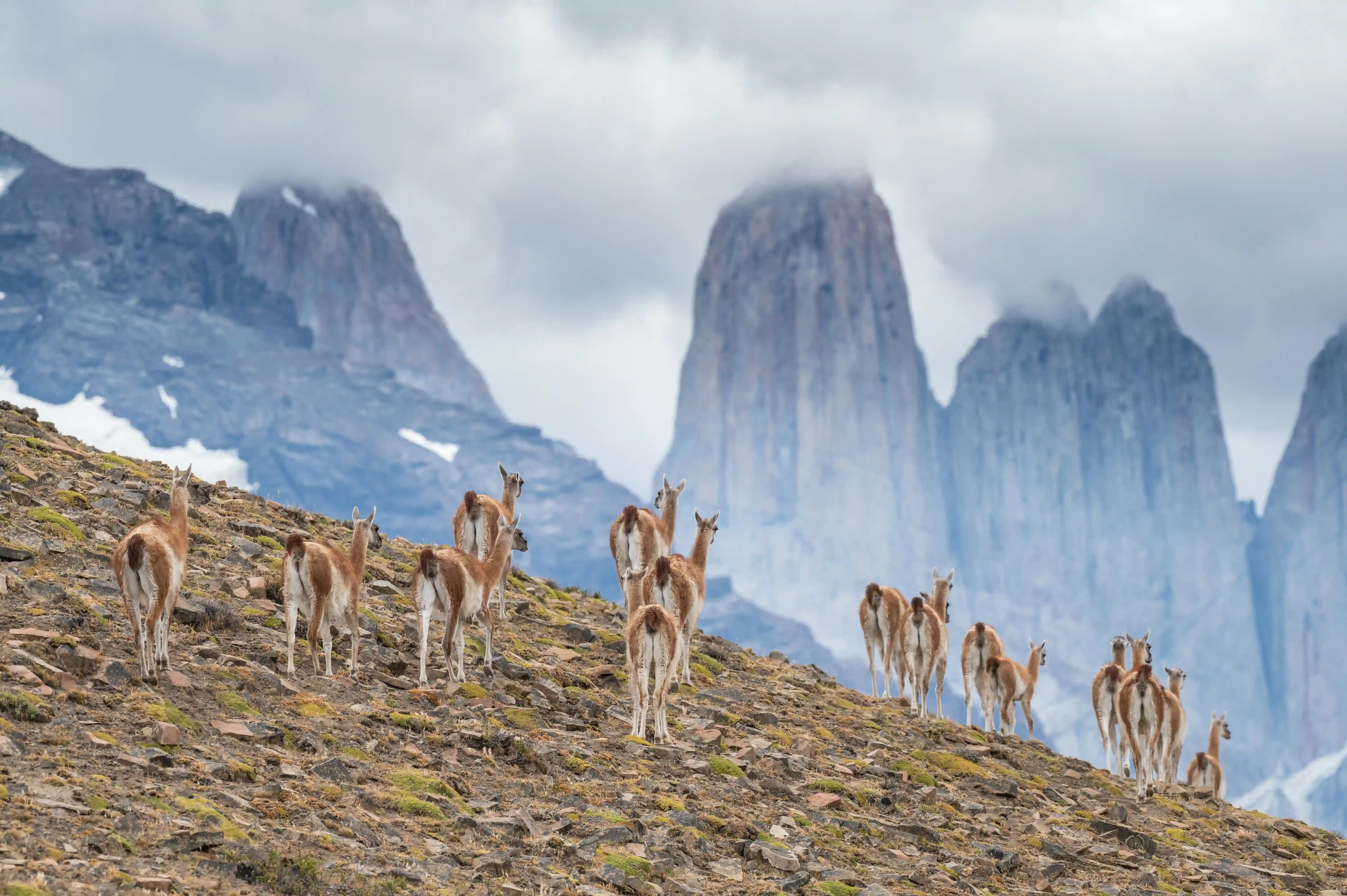
The guanaco population itself shifts structure by season, and that shift changes where a puma search should focus.
In summer (roughly October through March), guanacos hold territorial family groups of about a dozen animals, usually one adult male with several females and their young, spread across Sarmiento, Amarga, Laguna Azul and Laguna Verde. In winter, many leave their territories and gather in larger mixed groups, sometimes of a few hundred animals, in areas where snow leaves more forage.
Fewer, smaller, scattered groups in summer mean pumas have more hunting grounds to choose from, and searches cover more ground for the same result. Large concentrated winter herds mean both prey and predator converge into a narrower area — one more reason winter search days report tighter, more predictable sighting windows.
Why three days changes the math
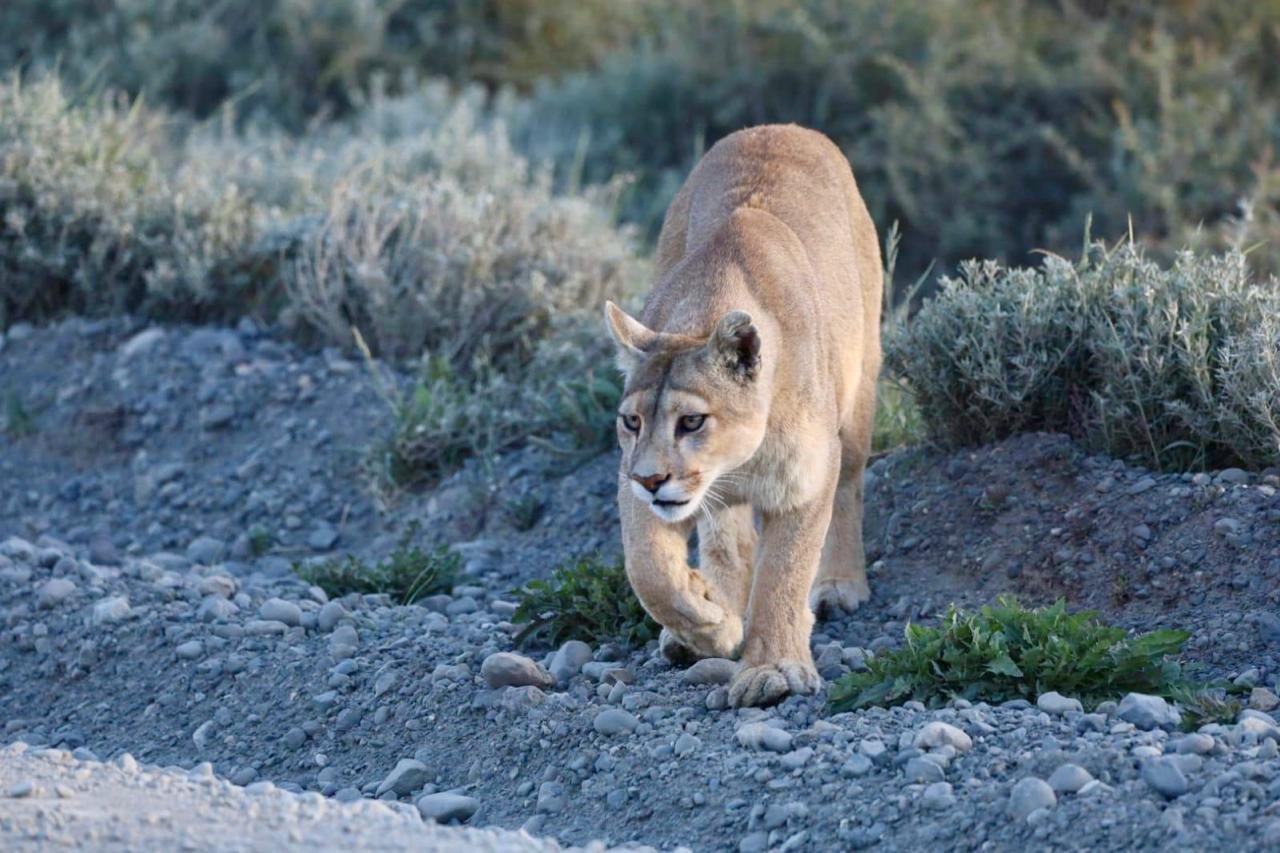
Each tracking day is a new search window, and the odds build up over several days. If a single day carries a 35% chance of a sighting, three days don't add up to 105%. What grows is the chance of at least one sighting: a miss on day one doesn't lower your chances on day two, so across three days the probability of seeing a puma rises to roughly 70%.
Search window | Approx. cumulative sighting probability (our estimate) |
1 day | 30–40% |
2 days | 50–65% |
3 days | 65–80% |
Ranges reflect independent daily searches in the Sarmiento–Amarga corridor with a dedicated tracking team; actual results shift with weather, guanaco distribution, and puma movement that week.
No single day can be guaranteed, but a multi-day program built around the golden triangle sectors is what turns a hopeful search into a strong likelihood.
What We Recommend for Each Traveler
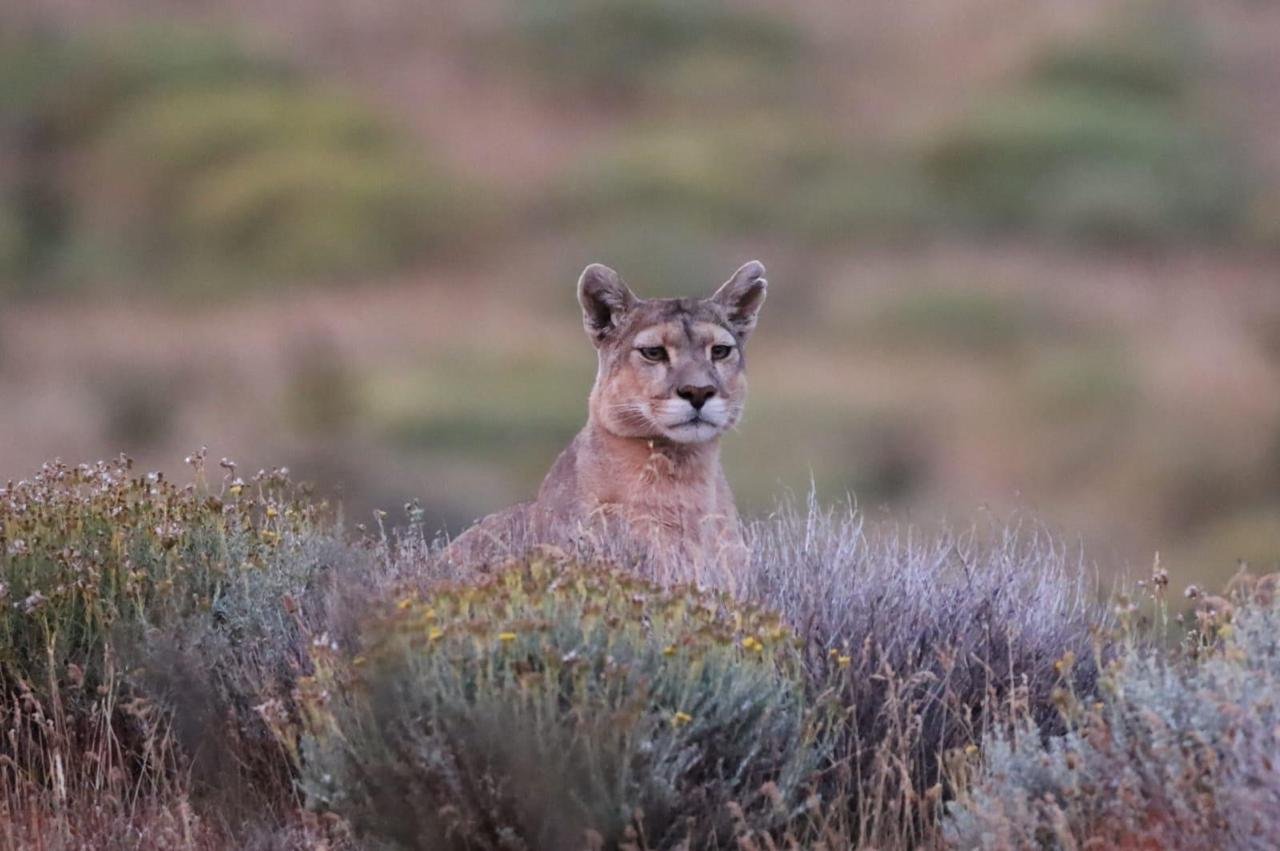
If you're adding this to a broader Patagonia itinerary and have one day available: go in winter (May–August) if your dates allow it — the compressed daylight overlaps almost entirely with puma activity hours, and low vegetation improves visibility even on a single search day.
If puma watching is your priority and you're building the trip around it: allocate three consecutive days in the Sarmiento–Amarga corridor. The cumulative probability, not the single best day, is what determines the outcome.
If you're traveling with a camera: bring a telephoto lens (400mm or longer) and a monopod. Most confirmed sightings happen at distances where a phone or standard zoom won't produce a usable image.
Practical Notes
Start times follow the light: in summer, search days begin around 04:30–05:00 AM to reach the tracking zone before first light; in winter, around 07:30–08:00 AM.
Layered clothing and wind protection are necessary year-round — Patagonian conditions shift within hours regardless of forecast.
Moderate fitness is sufficient: tracking combines time in the vehicle with walks over uneven ground across the pampa, but no technical trekking.
Sightings are never guaranteed on any single day, including in the highest-density sectors.
How We Organize Your Puma Days
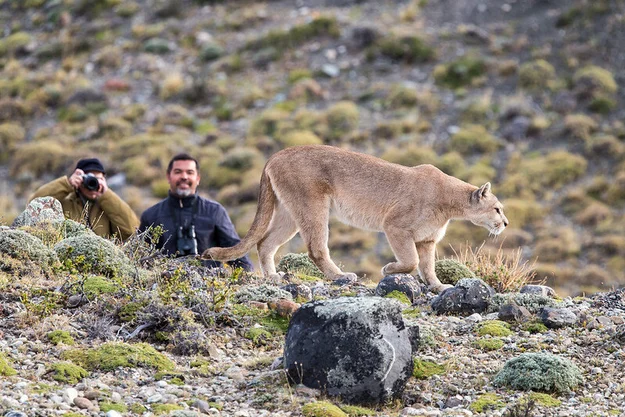
Puma tracking works when the logistics are right: being in the right sector before first light, with the right tracker, on enough days. That is the part we handle.
Before the trip: we recommend the season and number of days based on how important the puma is to you, and book specialized trackers in the Sarmiento–Amarga corridor together with your own guide.
Getting there: a private transfer from El Calafate, including the border crossing into Chile, so you arrive in the eastern sector without dealing with buses or paperwork.
Where you stay: accommodation close to the eastern sector, so the early starts don’t mean hours on the road.
During the search days: your tracker and guide follow the reports from spotters and adapt the plan each morning. If wind or snow cuts a day short, we adjust the rest of the program.
The Bottom Line
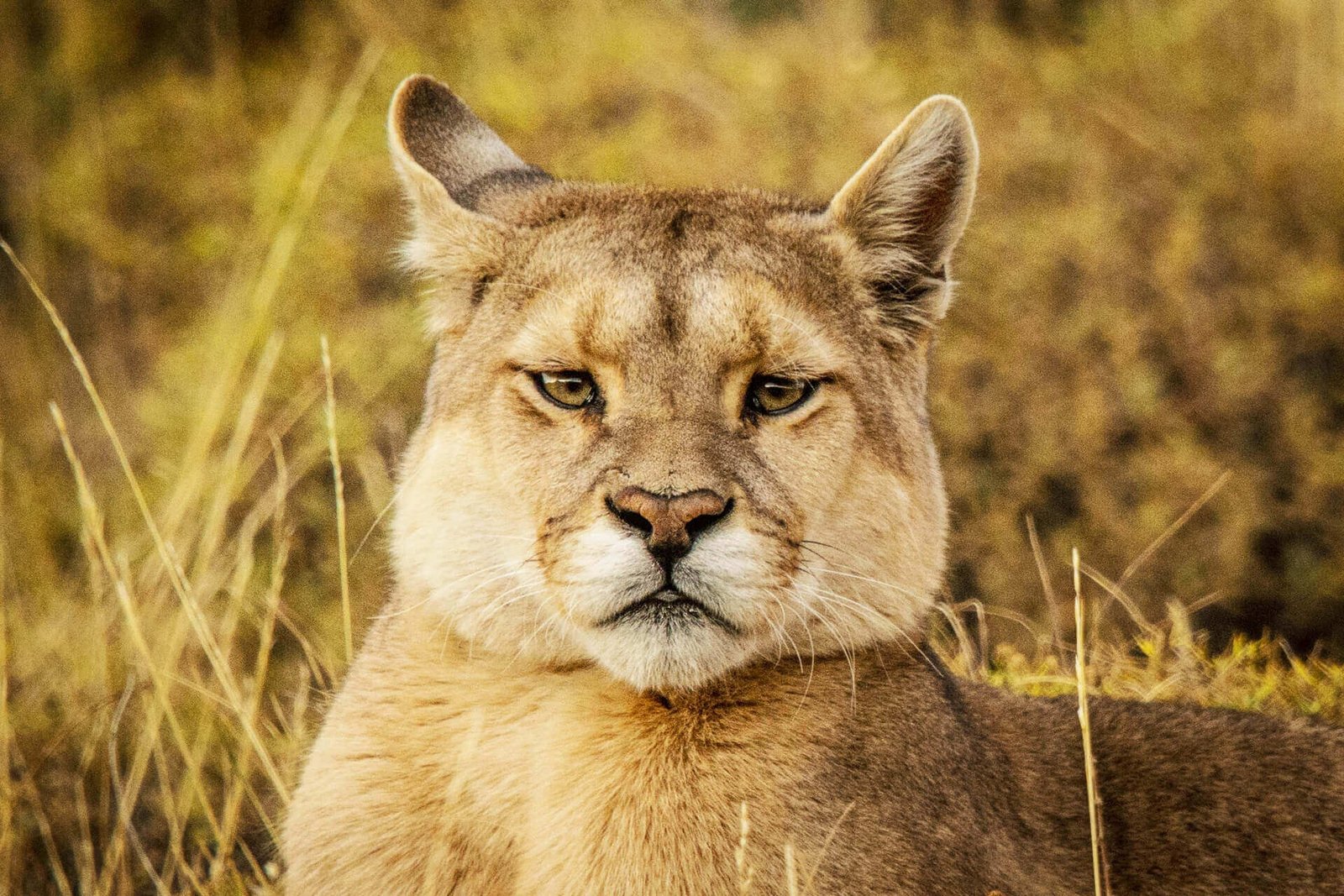
Puma watching in Torres del Paine is a probability game, not a guarantee. The Sarmiento–Amarga corridor concentrates most sightings, three consecutive search days raise the odds from roughly a third to around three-quarters, and winter's short, low-vegetation days tend to outperform summer's longer but more concealed ones. Building a search around these variables (sector, number of days and season) is what separates a planned puma search from a hopeful drive through the park.
Southwind Experience builds private puma-tracking days into longer Patagonia itineraries, working with specialized trackers in the Sarmiento–Amarga corridor, coordinated by our team in El Calafate, a few hours from the park. We are reachable by WhatsApp before and during your trip.