Private Transfer & Logistics: How to Cross from El Calafate to Torres del Paine Seamlessly
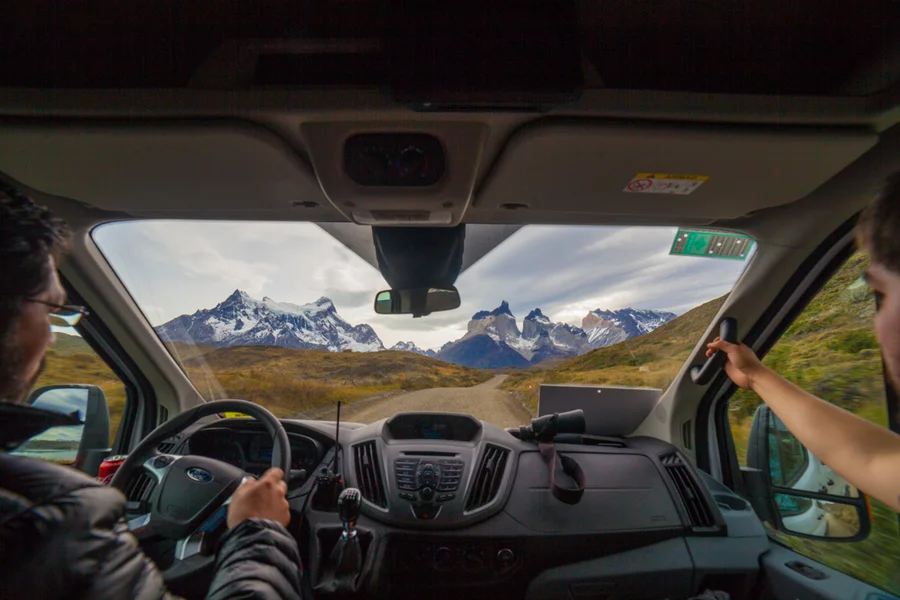
For international travelers micro-designing a multi-country Patagonian itinerary, combining Los Glaciares National Park (Argentina) and Torres del Paine (Chile) is the ultimate way to experience the region. However, navigating the cross-border logistics between El Calafate and Puerto Natales or the Chilean national park lodges can introduce unwanted friction if not planned with expert execution.
While independent travelers typically spend 7 to 8 hours navigating public transit networks and multiple vehicle connections, a private chauffeured cross-border transfer takes roughly 3 hours door-to-door.
This route relies on the Cancha Carrera border post on the Argentine side and Río Don Guillermo on the Chilean side. Below is an operational breakdown of how this border crossing functions within a privately curated, premium itinerary.
The Cross-Border Transition, Step by Step
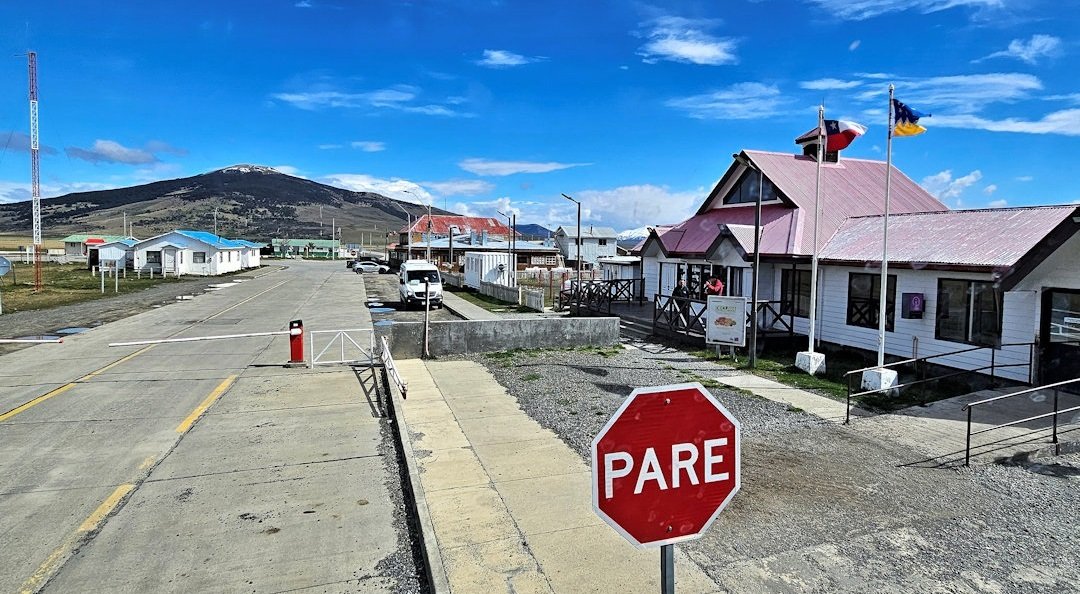
The international boundary between Argentina and Chile is structured around two distinct checkpoints separated by a 7 km corridor of non-jurisdictional land. When traveling with dedicated private transport, the transition is designed to be entirely fluid.
Cancha Carrera (Argentina): Upon arrival, your private driver manages all complex vehicle customs and temporary export formalities behind the scenes. Guests step into the Argentine National Migration Office exclusively to present their passports and receive their exit stamp, bypassing standard group queues.
The Connected Corridor: After clearing Argentine exit control, your driver navigates the 10-minute gravel road connecting both countries. Stopping or exiting vehicles in this transitional sector is strictly prohibited by binational regulation.
Río Don Guillermo (Chile): Entering Chile involves a streamlined three-step clearance: Immigration (Policía de Investigaciones - PDI), Customs (Aduana), and the Agricultural Inspection (SAG). All luggage, including bags housed in private vehicle trunks, passes through an X-ray scanner or a brief physical inspection.
Note on Operating Hours: The crossing officially accepts entries into Chile from 8:00 AM to 10:00 PM, and exits from 8:00 AM to 9:30 PM daily. Because these windows are subject to unannounced regulatory changes, our operations team verifies schedule integrity directly with border authorities prior to every departure.
Private Chauffeured Experience vs. Public Group Bottlenecks
How you choose to orchestrate this crossing directly dictates whether your journey remains a relaxing transition or becomes an exhausting logistical delay.
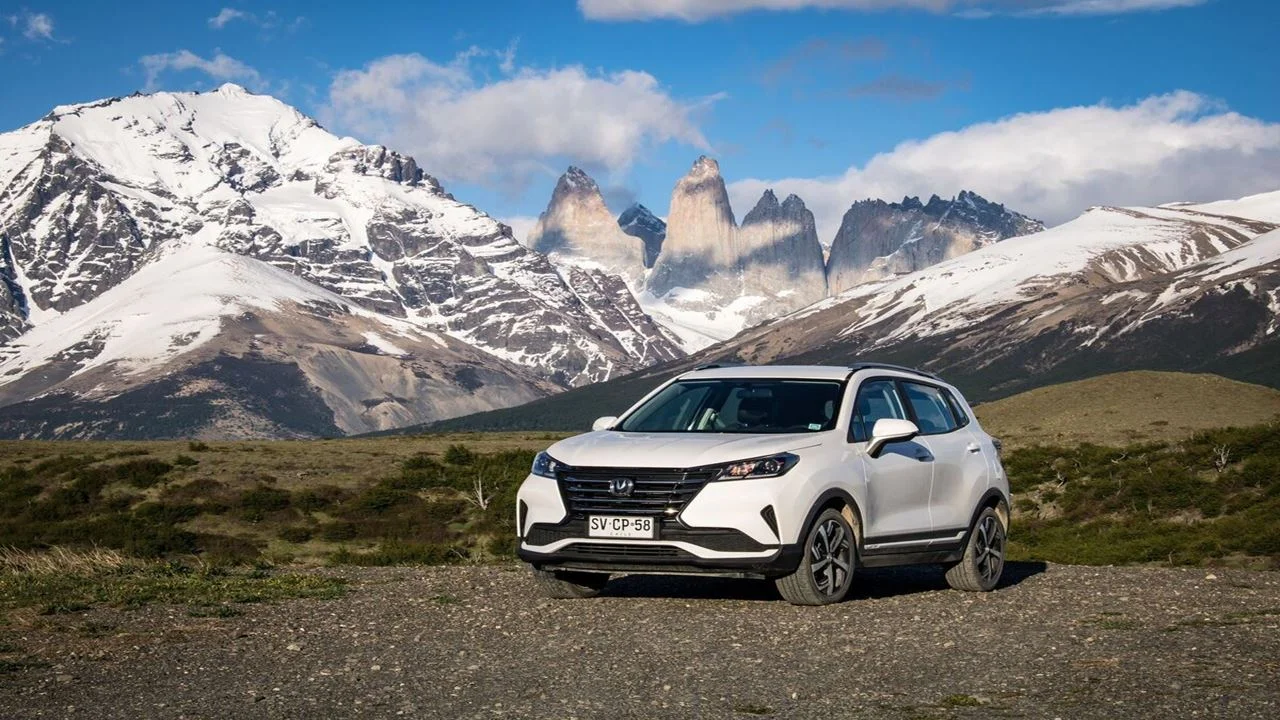
The Private Chauffeured Standard:
Optimized Departure Windows: Private transfers are strategically timed to arrive at the border points during low-volume windows, deliberately bypassing the predictable waves of commercial tour buses.
Pre-Filed Passenger Manifests: Passenger profiles and documentation criteria are pre-submitted by our office to streamline the border agent workflow.
Accelerated SAG Inspections: Because the agricultural checkpoint only needs to process your party’s personal luggage, the entire SAG screening is consistently completed in under 15 minutes.
Direct Lodge-to-Lodge Transit: Your dedicated vehicle provides uninterrupted transit straight from your boutique hotel in El Calafate over the border to your national park lodge inside Torres del Paine (such as Explora, Tierra, Awasi, or Las Torres), removing the need for terminal transfers or secondary vehicle changes.
The Public Coach Bottleneck (To Avoid):
Simultaneous Arrivals: Commercial buses and large tour groups depart El Calafate in tandem between 05:30 AM and 07:00 AM, creating massive queues right as the border doors open at 08:00 AM.
Mass Screening Delays: A single mass coach forces 45+ passengers into the immigration lines simultaneously. If multiple coaches arrive together, border processing times easily exceed 2 hours.
Cargo Unloading: Every single piece of luggage stored in lower bus compartments must be completely unloaded and individually lined up for group scanning, compounding transit friction.
Operational Comparison: Cross-Border Efficiency
Operational Metric | Private Chauffeured Service | Public Bus / Large Group Tour |
|---|---|---|
Total Door-to-Door Time | 3.5 to 4.5 hours (Direct to Lodge) | 6.5 to 8+ hours (To Public Terminals) |
Schedule Control | Fully customized around your itinerary | Fixed, restrictive departures (05:30 AM) |
Border Queue Exposure | Insulated; timed to avoid peak transit waves | High; queuing behind multiple mass coaches |
Luggage Processing | Swift, dedicated handling of private bags | Full cargo bay unloading and group scanning |
Destination Finality | Direct drop-off at your specific park lodge | Public terminal drop-offs only (Puerto Natales) |
Documentation and Border Restrictions
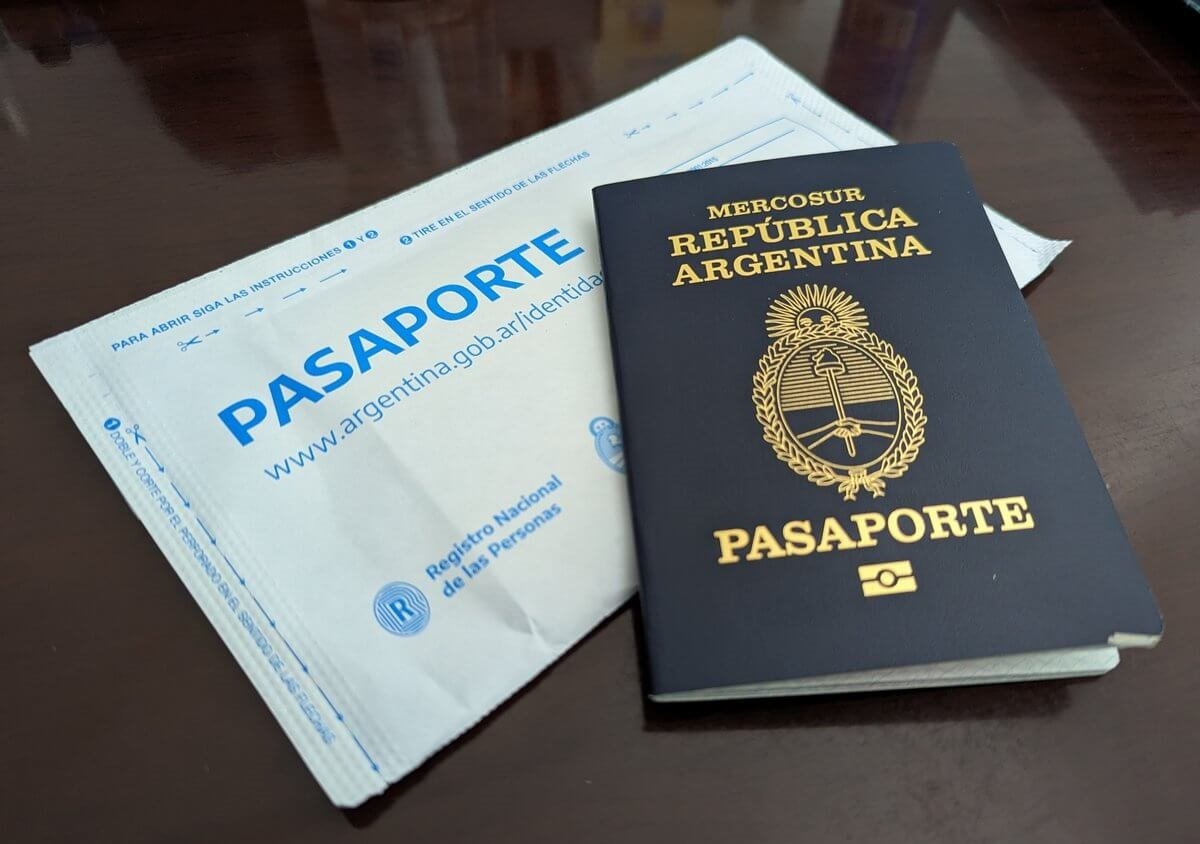
To maintain complete peace of mind, your only active responsibility at the checkpoints is presenting your personal identification and executing a standard declaration. All regulatory vehicle permits, cross-border insurance, and fuel management—critical given the total absence of service stations between the border and Puerto Natales—are fully secured by our operations team in advance.
Required Documentation:
Valid Passport: Required for all international travelers (National ID cards are exclusively valid for Mercosur citizens).
SAG–Customs Sworn Declaration: A mandatory digital or physical agricultural statement. Every traveler over the age of 18 must sign their own individual form.
What You Cannot Bring Across
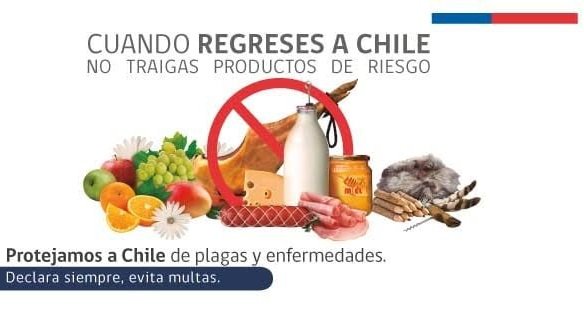
Prohibited Items (Cannot Cross Into Chile):
Chile maintains exceptionally strict agricultural biosecurity standards to protect its pristine ecosystem. The following items cannot be brought across the border:
Fresh Produce: Raw fruits, unbagged berries, or raw vegetables.
Meats & Poultry: Raw meats, charcuterie (jamón serrano, prosciutto, salami), or unsealed dried jerky.
Dairy Products: Unpasteurized artisanal cheeses or open liquid dairy.
Organic Material: Raw seeds, wild flowers, soil, or unpeeled nuts in their shells.
Unsealed Hotel Meals: Sandwiches, salads, or packed lunches prepared informally.
Expert Tip: Commercially sealed, packaged snacks (such as factory-sealed energy bars or processed nuts) generally clear inspection seamlessly but must always be explicitly declared on your SAG form. Declaring all items, even when uncertain, is the definitive strategy to avoid minor administrative fines.
The Bottom Line: Intelligent Comfort
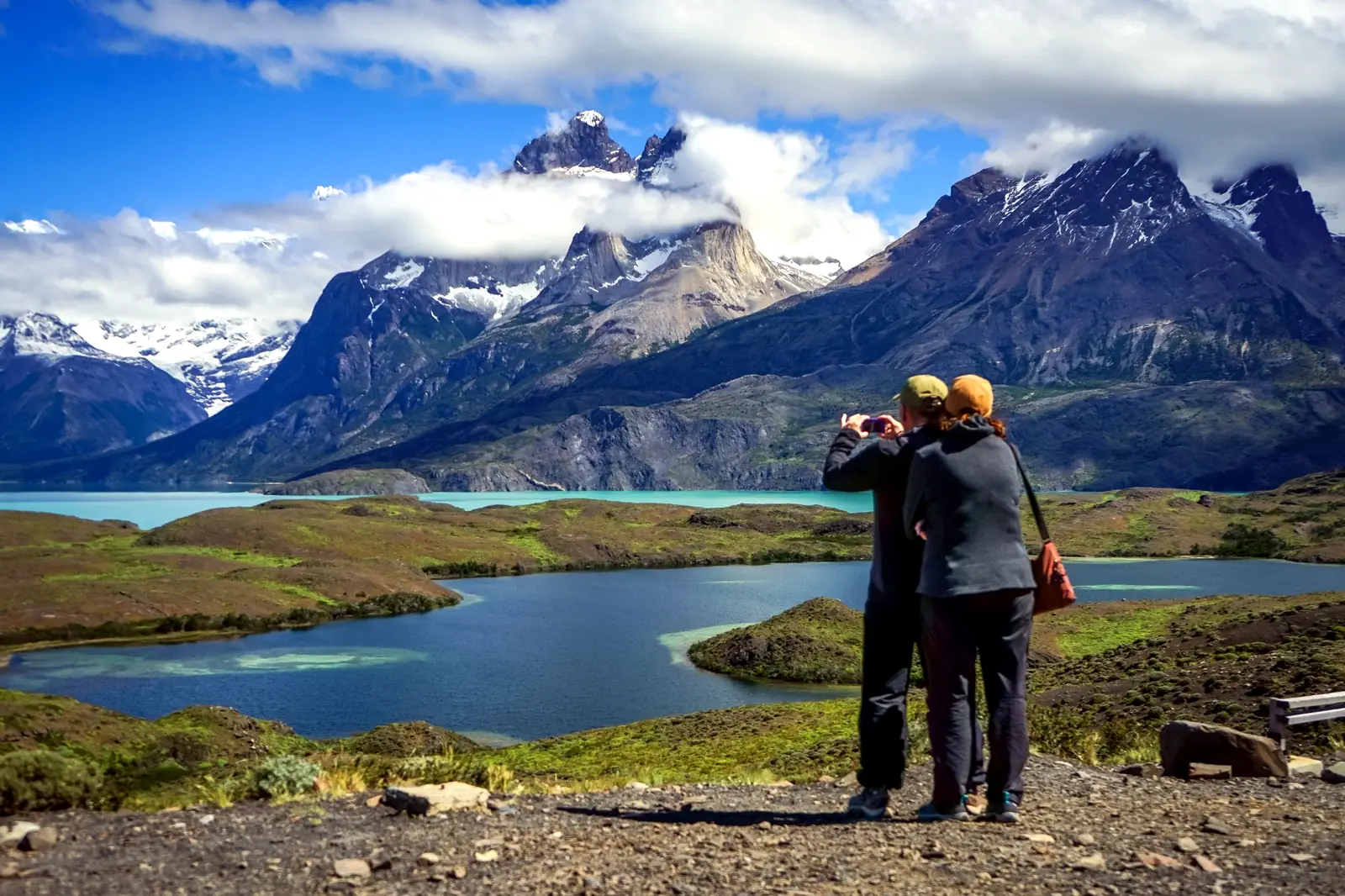
Cross-border travel in Patagonia does not have to be an ambiguous or stressful logistical hurdle. By anchoring your journey with private execution, the transition between Argentina's glaciers and Chile's granite peaks becomes a fluid, scenic extension of your vacation.
From pre-arranging remote driver handoffs to optimizing departure times around shifting mountain weather patterns, every single operational detail is handled quietly behind the scenes before you ever step foot outside your hotel.
We specialize in orchestrating seamless, privately guided expeditions across Argentina and Chile for discerning international travelers. Let our luxury travel specialists map out a flawless route tailored to your exact pace.