Jaguar Rewilding in Iberá: What It Means for Travelers and What to Expect
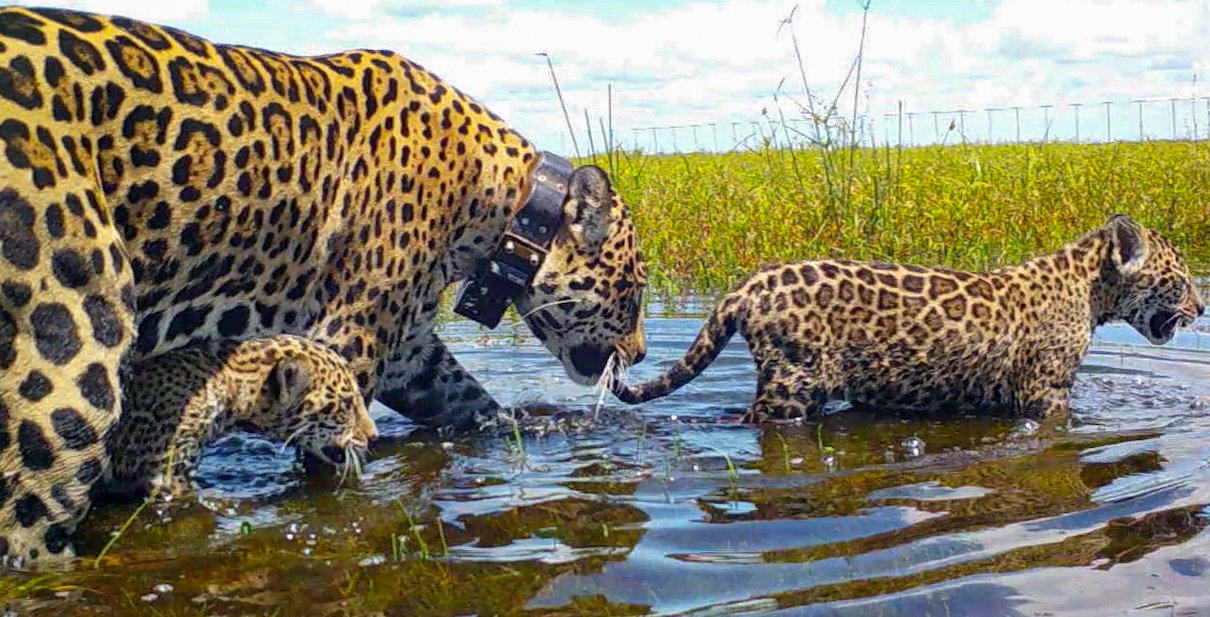 We can't promise you a jaguar in Iberá, and no one honestly can. What we can do is tell you what to realistically expect. The free-ranging jaguar population in the wetlands has grown from its first release in January 2021 to roughly 50 animals today, and sightings on public-access trails near Colonia Carlos Pellegrini, while still rare, are no longer unheard of. The core breeding zone on San Alonso Island is closed to visitors. Three nights in the park, spread across several boat rides and walks, gives you a realistic chance at the wider wildlife experience Iberá is built for, jaguar or not.
The 70-Year Absence and the 2021 Return
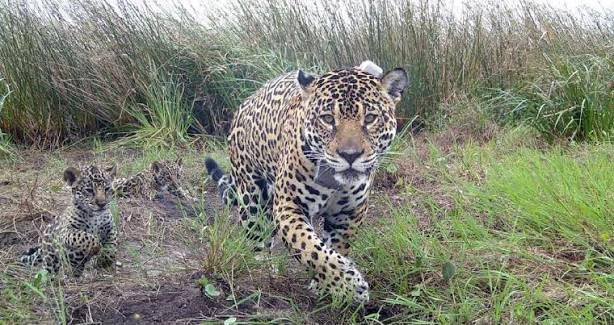
Jaguars disappeared from the Iberá wetlands roughly 70 years ago, hunted out along with most of Argentina's population of the species. By the time Rewilding Argentina began planning a reintroduction, the country's wild jaguars had lost more than 95% of their historical range, with an estimated 200 individuals left, concentrated in a few isolated pockets far to the north and northeast.
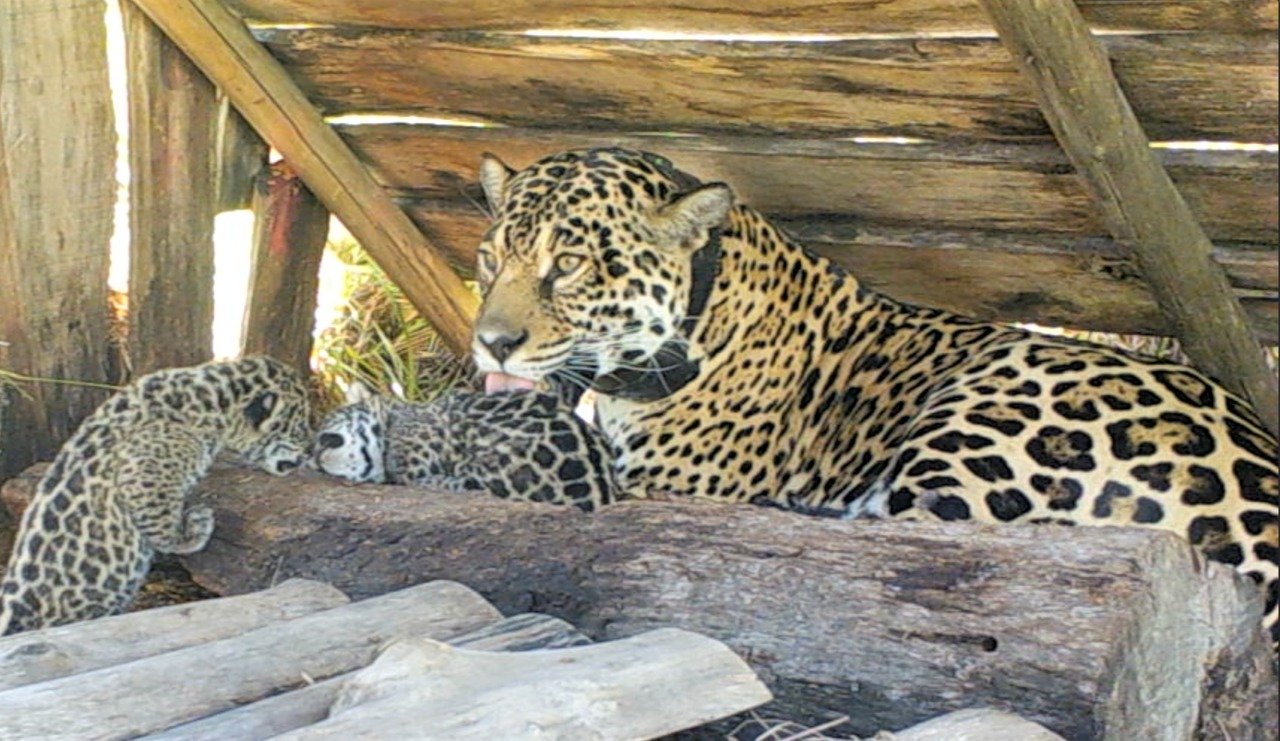
The first release took place in January 2021: an adult female named Mariua and her two cubs, Karai and Porã, walked out of the San Alonso Jaguar Reintroduction Center and into the wetlands. The program is run by Rewilding Argentina in partnership with Corrientes province and Argentina's National Parks Administration.
Further releases followed, and the population has since become self-sustaining. Wild-born litters followed within two years, and by 2026 conservationists were reporting close to 50 jaguars living freely across the reserve.
Two Zones, One Park
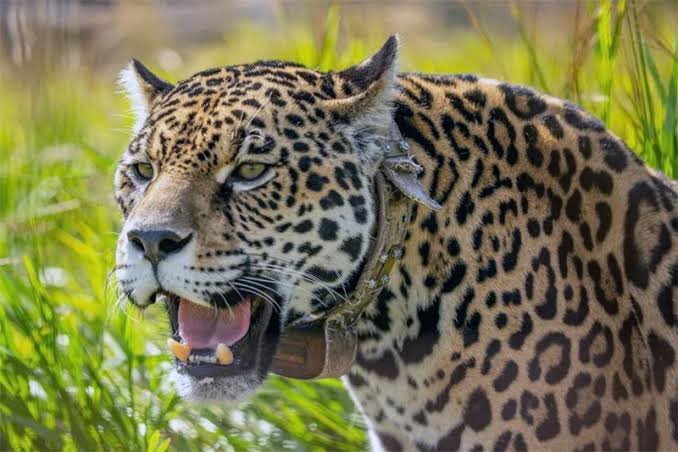
The detail most pre-trip research misses: Iberá's jaguar program operates across two areas with completely different rules for visitors.
Zone | Access | Role in the program |
San Alonso Island | Closed to visitors | Breeding and soft-release center; where cubs are born and prepared for the wild |
Colonia Carlos Pellegrini and surrounding public trails | Open, guided access | Tourism gateway; where dispersing jaguars occasionally cross into range of boats and walkers |
San Alonso sits deep inside the reserve and holds the reintroduction infrastructure itself. It is not part of any itinerary, guided or otherwise. What travelers actually experience is the public-access ring around Carlos Pellegrini — boat docks on the Iberá Lagoon, walking trails through the marsh edge, and estancias like Rincón del Socorro that sit close to the rewilding zone without being inside it.
What a "Sighting" Actually Means Here
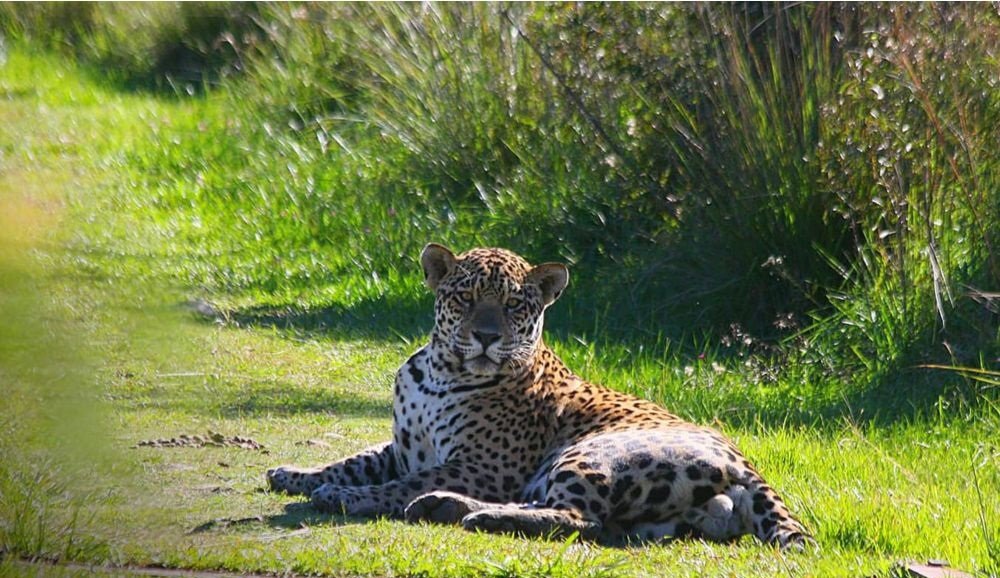
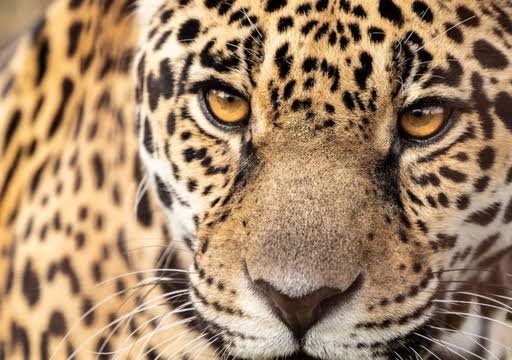
Young jaguars go through a natural dispersal phase, moving out from their birth territory to establish their own range. That process is what occasionally brings them into public-access areas: in May 2026, a year-and-a-half-old male known as Ombú was filmed walking a tourist trail near Carlos Pellegrini — the first confirmed jaguar sighting by visitors in that specific zone.
That event made local and national news precisely because it was unusual, not because it signals a pattern travelers can plan around. Guides describe these encounters as opportunistic: the animal happened to be moving through at the same time a boat or walking group happened to be there.
A realistic framing for travelers: treat jaguar rewilding as a story you're visiting to understand, with a sighting as a genuine but low-probability bonus — not as the reason the trip works on its own.
Why Three Nights Changes the Math
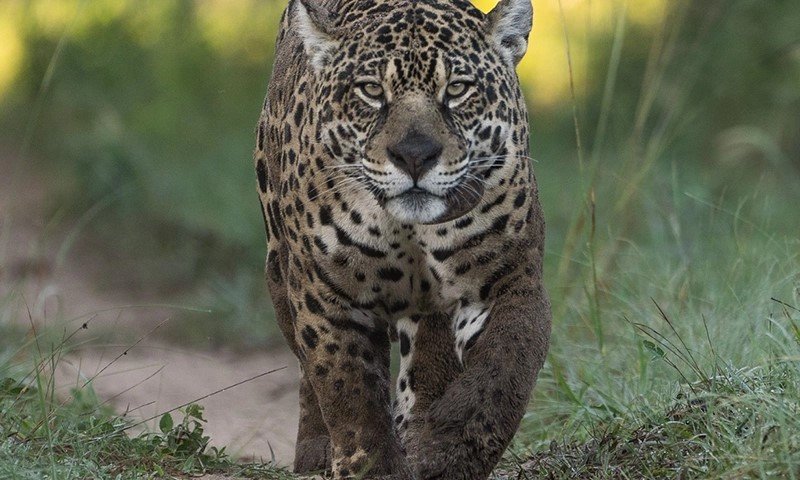
One night in the park gives you a single evening boat excursion and a single morning one — two windows, best case. Subtropical weather here shifts fast, with storms common through the summer months, and a rained-out session on a one-night stay simply doesn't get replaced.
Three nights turns that into five or six separate excursions across different times of day, water levels, and light conditions. That matters less for jaguars specifically than for the wildlife Iberá reliably delivers — capybaras, caimans, marsh deer, and, with patience, the elusive maned wolf around dusk near Rincón del Socorro. More time in the water and on the trails simply means more independent chances, spread across a schedule that can absorb one bad-weather day without losing the trip.
This is also the reasoning behind our Iberá, Iguazú & Patagonia wildlife circuit: one night reads well on a map but rarely produces the range of sightings that make the stop worthwhile.
What Else You Will See: Iberá’s Ecosystem Abundance
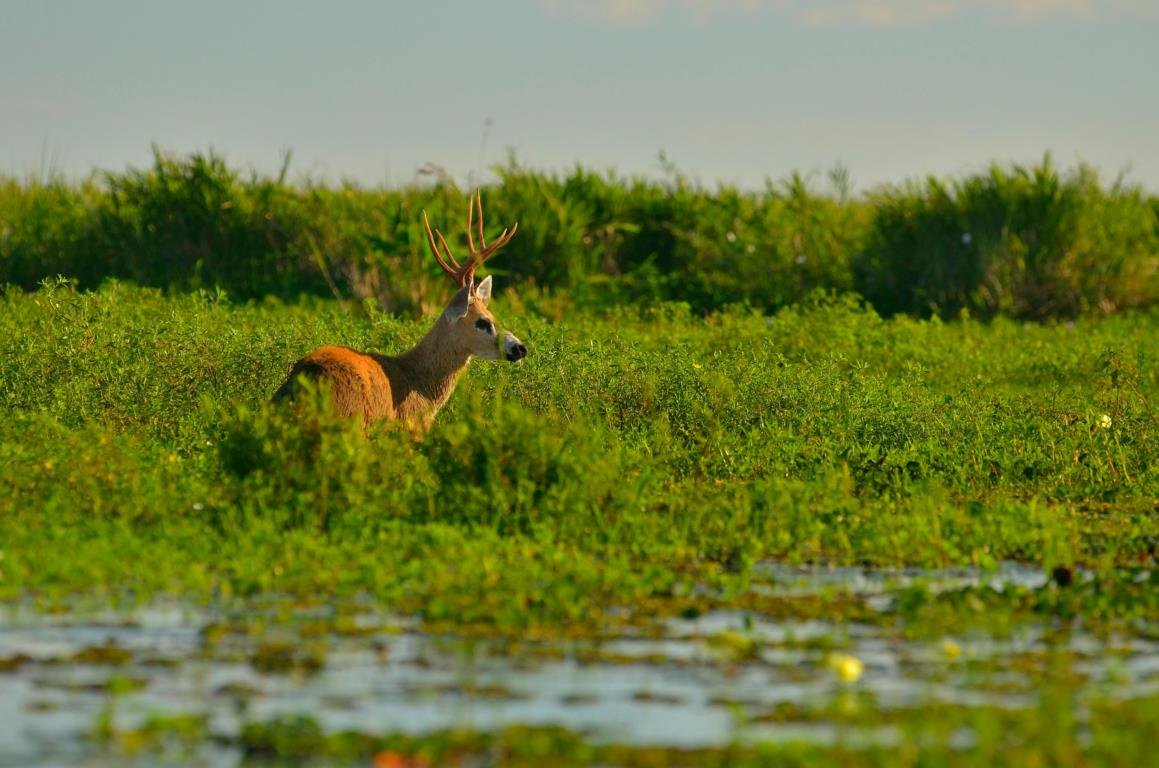
Focusing solely on the jaguar overlooks one of the greatest wildlife rehabilitation stories in South America. Even if the big cat remains elusive during your stay, Iberá offers a remarkable density of wildlife that is easy to see.
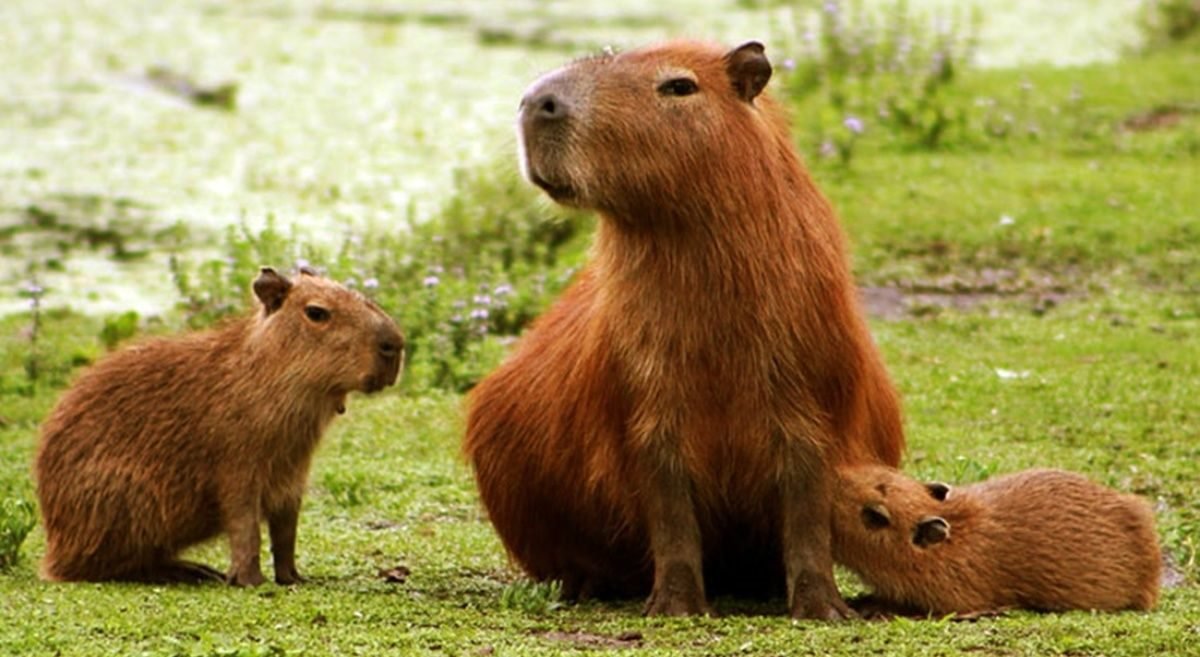
● Capybaras (Carpinchos): The world’s largest rodents exist in the thousands. Unfazed by human presence, they graze along boardwalks and lagoon edges meters from visitors.
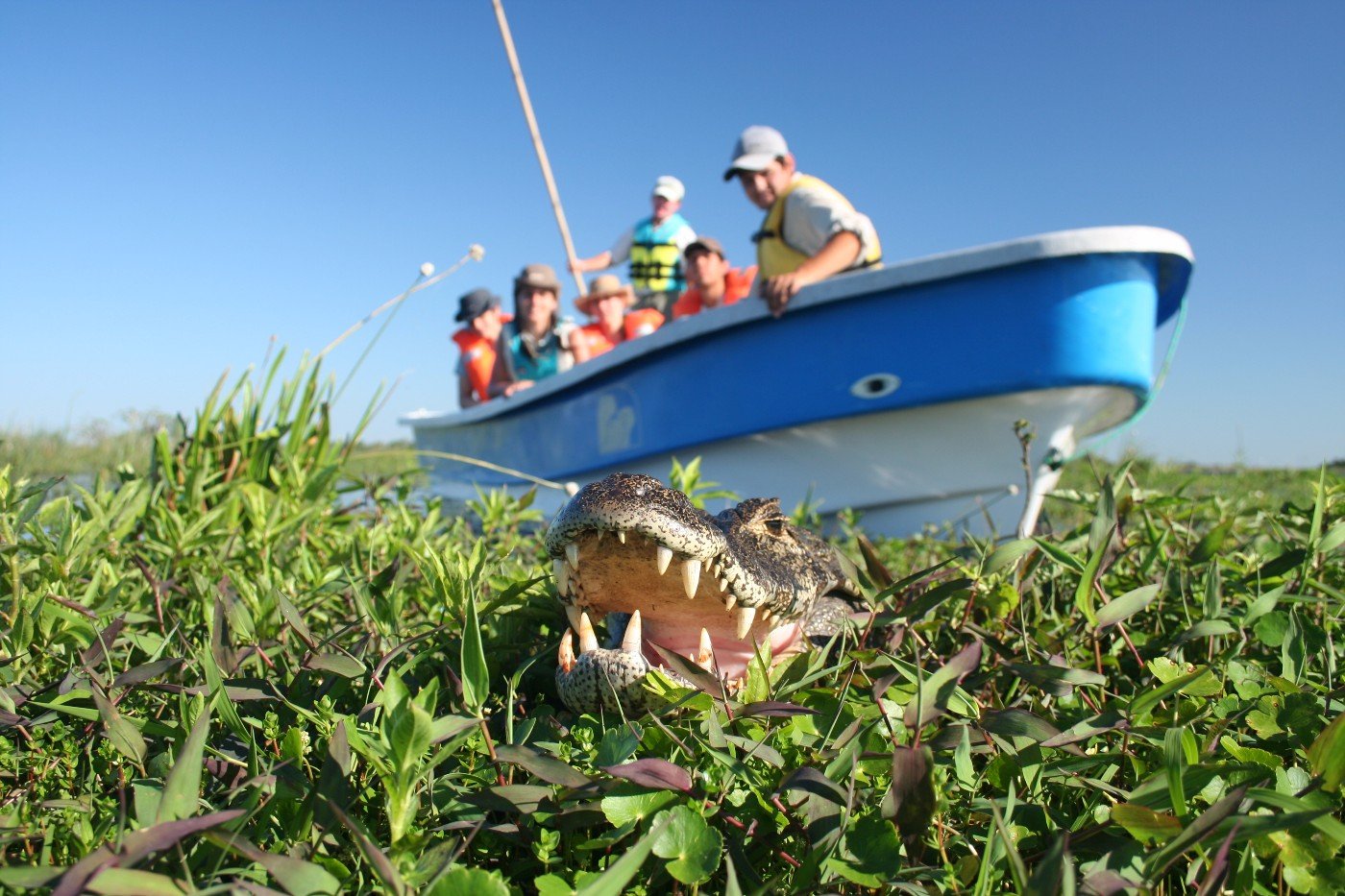
● Caimans (Yacarés): Both black (Yacaré negro) and broad-snouted (Yacaré overo) caimans line the waterways, offering excellent photography opportunities.
● Marsh Deer (Ciervo de los Pantanos): South America's largest deer species thrives in the shallow waters, often seen during morning boat outings.
● Giant Anteaters (Oso Hormiguero Grande): Reintroduced in Iberá from 2007, years before the jaguar, giant anteaters are now often seen in the grasslands around Rincón del Socorro and other sectors of the park.
● Avian Diversity: Over 350 bird species inhabit the park, including jabiru storks, strange-tailed tyrants, marsh seedeaters, and ringed kingfishers.
Critical Variables: Seasonality and Weather
Iberá is a dynamic wetland governed by sub-tropical weather patterns and seasonal water level fluctuations.
● Summer (December to February): Temperatures routinely exceed 35°C during midday. Early morning (06:00 AM) and late afternoon outings are strongly recommended. Afternoon thunderstorms can temporarily disrupt boat departures.
● Winter (June to August): Crisp, clear days with afternoon temperatures around 18°C to 22°C, dropping to 5°C at night. Caimans and capybaras concentrate on sunlit banks for thermal regulation, making daytime wildlife tracking especially productive.
● Water Levels: Prolonged dry spells consolidate wildlife around permanent lagoons and deeper river channels, concentrating animals near boat routes. High water events spread wildlife across wider marshland interiors.
Recommendations by Traveler Profile
● If wildlife photography is the priority: build in the full three nights and prioritize the first and last light boat departures, when animal activity around the lagoon is highest.
● If Iberá is a stop within a longer Argentina–Chile itinerary and time is tight: two nights is the practical minimum — enough for two full excursion days without reducing the visit to a single pass through.
● If the jaguar program itself is the draw, more than wildlife viewing generally: ask your guide about visiting the interpretation displays at Carlos Pellegrini, where the reintroduction story is explained in detail — this is accessible regardless of what wildlife shows up on the water.
Practical Notes
● San Alonso Island and the reintroduction center are not open to tourism under any circumstance; no itinerary includes access to it.
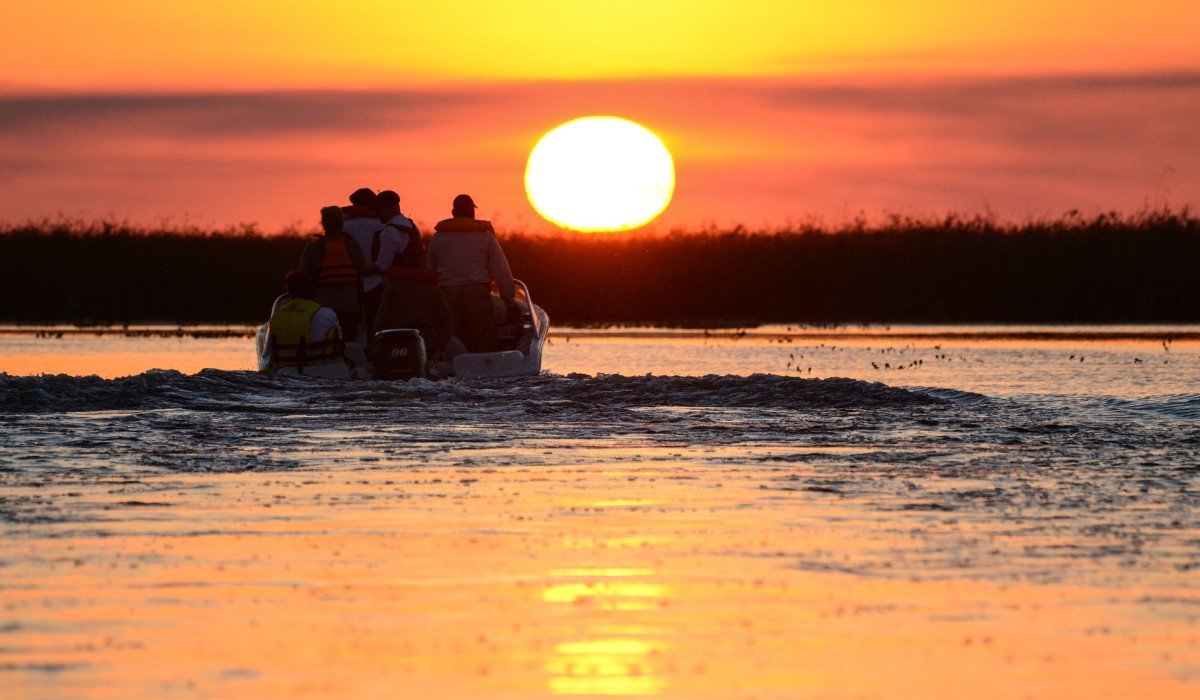
● Colonia Carlos Pellegrini is the departure point for boat tours of the Iberá Lagoon and the walking trails where occasional sightings occur.
● The wetlands sit within a subtropical climate zone with a real chance of storms disrupting a boat excursion; this is a reason to build in more than one night, not a reason to avoid the destination.
● Wildlife activity on the water is generally strongest at the first and last excursions of the day, when temperatures are lower.
How We Handle the Logistics
Getting to Iberá is part of the planning. Colonia Carlos Pellegrini is usually reached by road from the airports of Posadas or Corrientes, and part of the route is unpaved, so heavy rain can slow it down. We arrange the private transfer, book your lodge and coordinate every boat ride and walk with your local guide. If a storm cancels an excursion, your guide will try to reschedule it within your stay, which is one more reason three nights work better than one.
The Bottom Line
Iberá's jaguar population has gone from its first release in 2021 to a free-ranging population approaching 50, but the core of that program remains closed to visitors on San Alonso Island. What travelers can access is the public zone around Colonia Carlos Pellegrini, where dispersing jaguars occasionally — not reliably — cross paths with boats and hikers. Three nights, not one, is what actually improves the odds, mainly because it multiplies your excursions across the wider wildlife the wetlands reliably offer, with a jaguar sighting as a real but unpromised possibility on top.
Southwind Experience designs private wildlife itineraries through Iberá as part of longer Argentina routes, with local guides on the ground coordinated by our team in El Calafate. We handle the transfers, the lodge and every boat and trail outing, and we are reachable by WhatsApp before and during your trip.