Historic Neighborhoods of Buenos Aires: How to Plan a 3 to 4 Day Visit
By Southwind Experience — Local Travel Specialists based in El Calafate, Patagonia
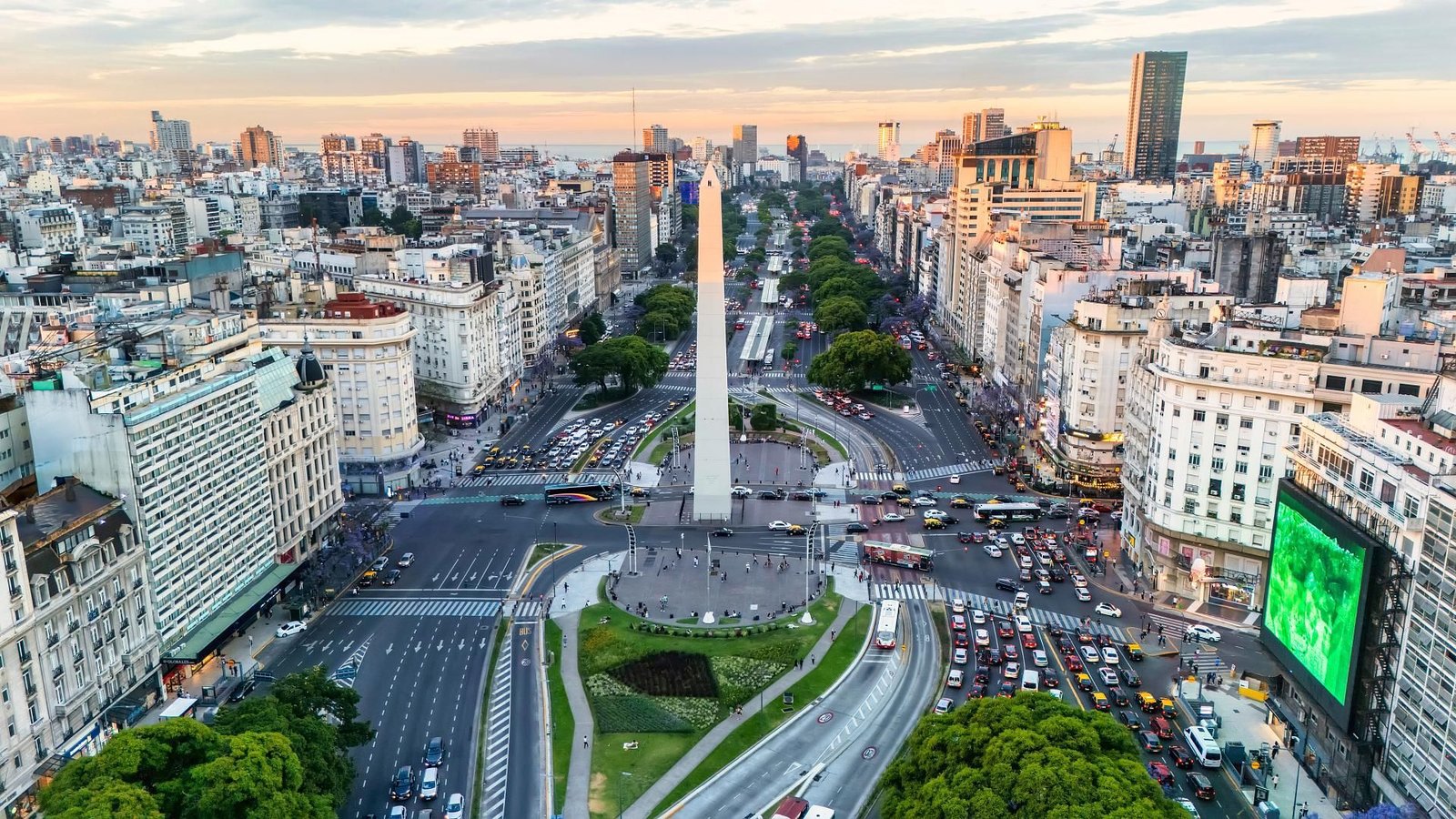
Three to four days is enough to cover Buenos Aires' five defining historic districts: Monserrat & San Nicolás (the civic core), San Telmo, La Boca, Recoleta, and Palermo. Any less and you're choosing between them rather than seeing how they connect.
The sequencing matters more than the list. Each district rewards a different time of day and day of the week — San Telmo peaks on Sunday, La Boca closes its safe window by late afternoon, and Recoleta's cemetery only takes cards.
This guide breaks down what each neighborhood actually offers, when to go, and how to move between them without losing half a day to traffic.
Comparing the Five Historic Districts
Neighborhood | Architecture | Best Visiting Window | Key Operational Note |
Monserrat & San Nicolás | Colonial, Neoclassical, Art Deco | Weekdays, 9am–5pm | Government buildings mean heavy security presence near Casa Rosada |
San Telmo | 19th-century Italianate & colonial | Sundays, 10am–5pm | Plaza Dorrego gets crowded fast during the antiques fair |
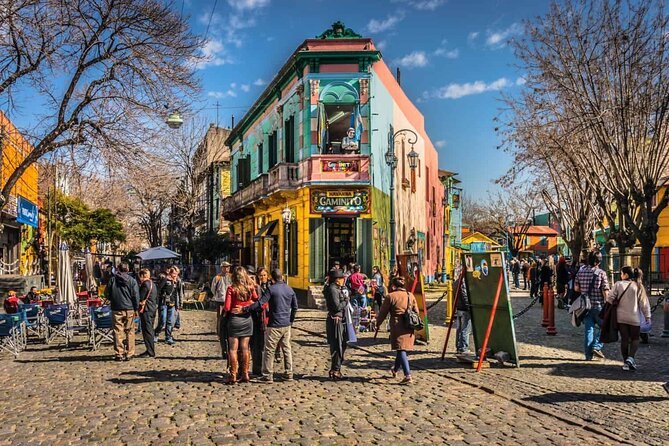
La Boca | Timber and corrugated-zinc conventillos | Daylight, 10am–4pm | Stay inside the marked Caminito perimeter |
Recoleta | French Beaux-Arts & Neoclassical | Daily, 9am–6pm | Cemetery entry is card-only, no cash |
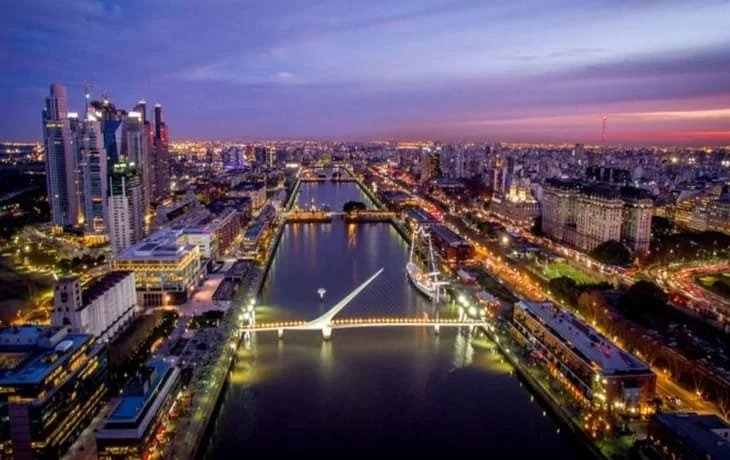
Palermo | Early 20th-century low-rise, mixed modern | Afternoon into evening | Sub-districts are far enough apart to need a taxi |
Monserrat & San Nicolás: The Civic Core
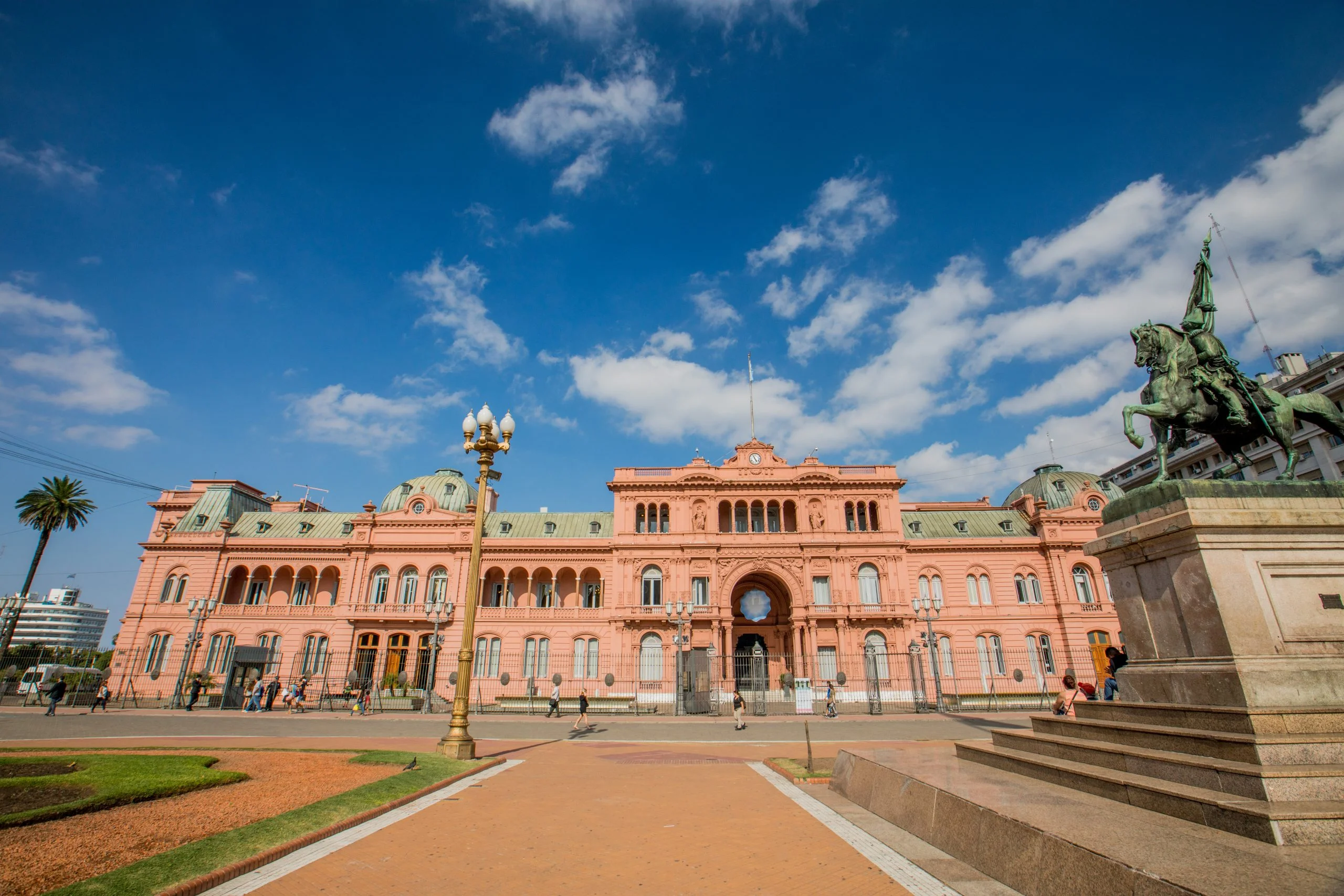
Montserrat and San Nicolás form the foundational political and urban axis of Buenos Aires, established along the banks of the Río de la Plata.
The historic district radiates from Plaza de Mayo, home to the executive government seat at Casa Rosada, the colonial Cabildo, and the Metropolitan Cathedral.
Connecting Plaza de Mayo westward to the National Congress is Avenida de Mayo, a 1.5-kilometer boulevard lined with early 20th-century Spanish Revival and Art Nouveau buildings.
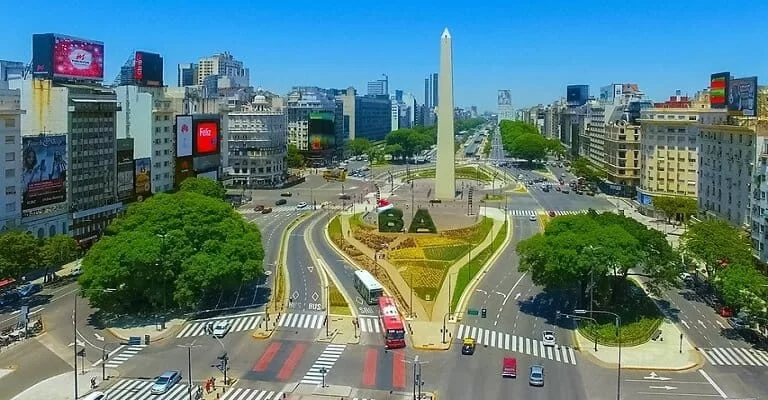
Just north in San Nicolás sits the Obelisco along Avenida 9 de Julio—one of the widest avenues in the world at 140 meters across—and Teatro Colón, an acoustically renowned opera house operating guided technical tours daily between 9am and 5pm.
San Telmo: Colonial Streets and the Sunday Fair
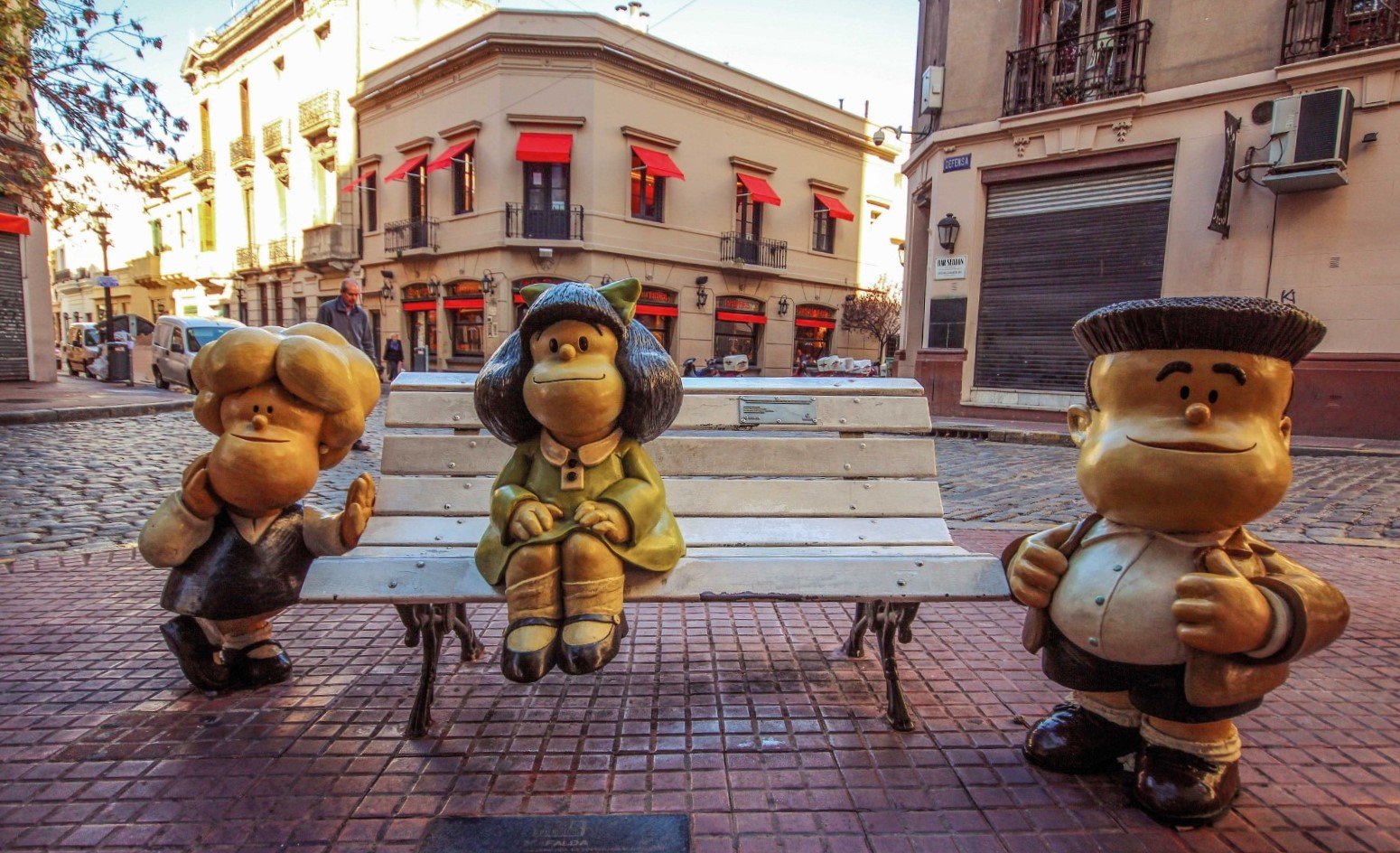
San Telmo is the city's oldest residential quarter, and it still reads that way — cobblestone streets, narrow lots, and internal courtyards that haven't been flattened by redevelopment.
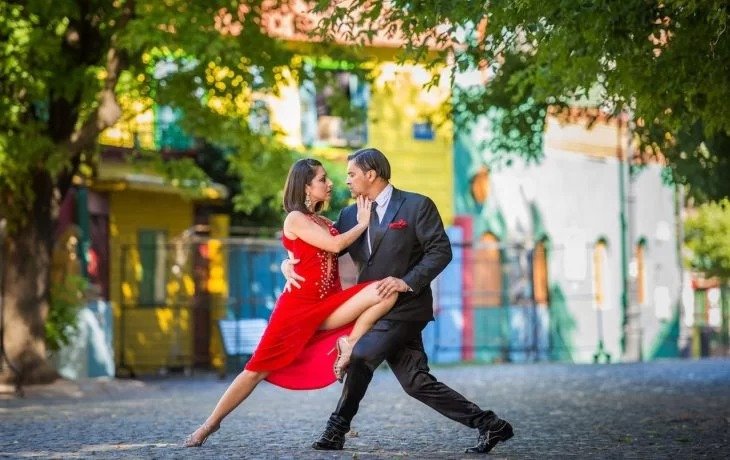
The neighborhood's commercial center is Plaza Dorrego. Every Sunday from 10am to 5pm, the Feria de San Telmo stretches 13 blocks along Calle Defensa, mixing antique dealers, craftsmen, and street tango.
That same density is the trade-off. Sunday is the only day the full fair runs, and it's also when San Telmo is at its most crowded and pickpocket risk is highest — keep bags zipped and in front.
The Mercado de San Telmo, an iron-and-glass market built in 1897, runs as a food and antiques hall every day of the week. Visiting on a weekday morning gets you the same architecture with a fraction of the Sunday foot traffic.
San Telmo also works as a base rather than a stop. Its guesthouses and boutique hotels sit within walking distance of Monserrat, which matters on a trip built around a Sunday arrival — you can land, settle in, and walk straight into the fair without a taxi.
La Boca: Caminito and the Safety Perimeter That Matters
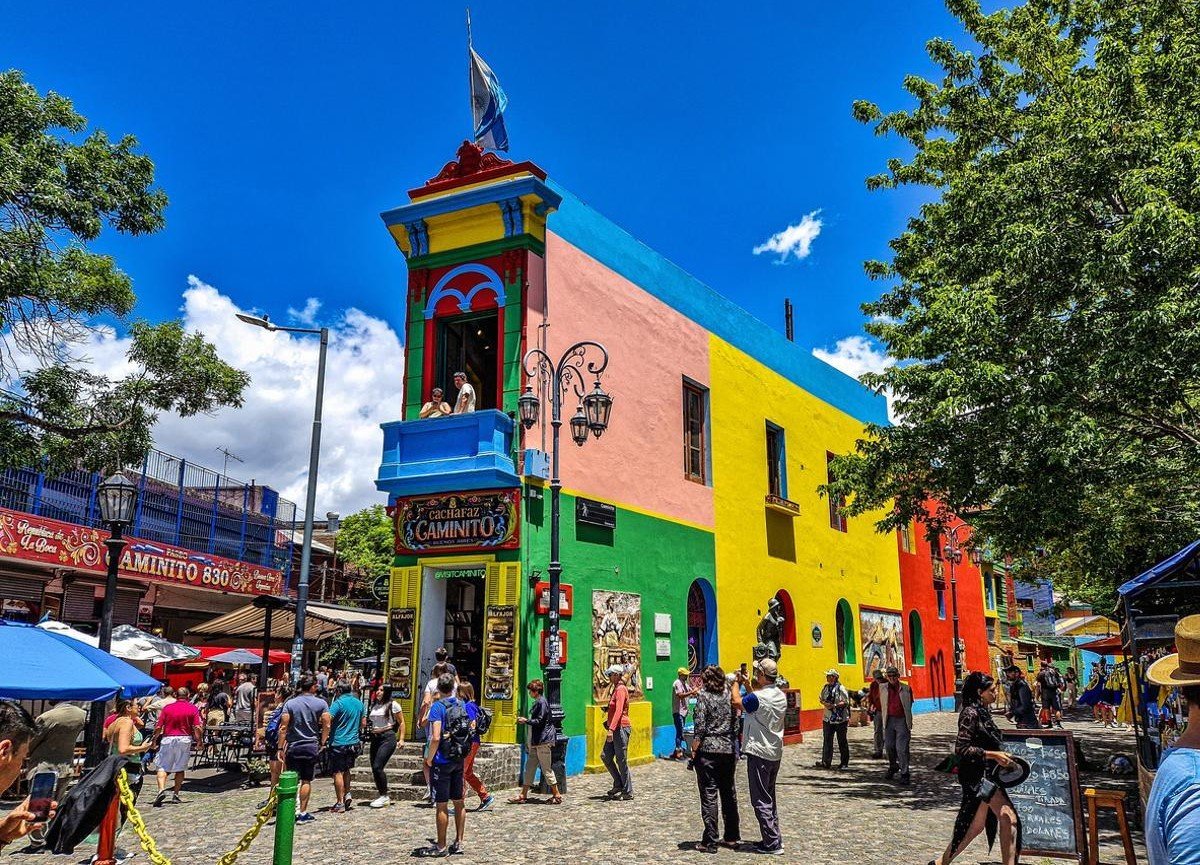
La Boca grew up at the mouth of the Riachuelo River as a working port neighborhood, settled mainly by Italian immigrants from Genoa in the late 1800s.
Caminito, the painted-house pedestrian street built over a former rail line, is the district's signature image — brightly colored conventillos built from leftover shipyard timber and corrugated zinc.
Here's the part most general travel guides skip: the tourist-safe zone around Caminito is genuinely small, roughly a 4-block radius, patrolled by tourism police between about 10am and 4pm.
Outside that window, or outside that perimeter, the surrounding residential blocks carry real theft risk — this isn't a formality, and it's the reason most operators route clients in and out by direct taxi rather than a walk-in from the main road.
La Bombonera, Boca Juniors' stadium, sits about five blocks from Caminito and runs a stadium-and-museum tour that fits well into the same window if football history is a priority.
Recoleta: Cemetery, Museums, and the “Paris” Comparison
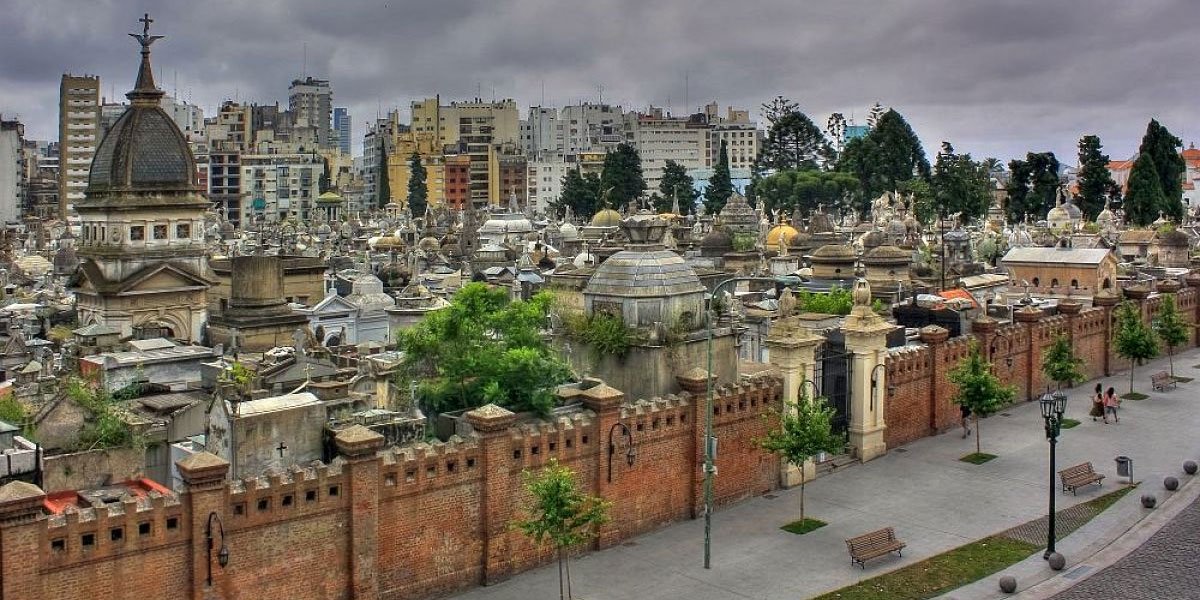
Recoleta became Buenos Aires' aristocratic district after wealthy families moved north from San Telmo following an 1871 yellow fever outbreak, trading river-adjacent low ground for higher, healthier terrain.
The French Beaux-Arts mansions and wide avenues that followed are why the comparison to Paris comes up constantly — it holds up better here than in most cities that claim it.
Recoleta Cemetery, established in 1822 across 5.5 hectares, holds roughly 4,700 above-ground vaults, including Eva Perón's — noticeably modest compared to the mausoleums around it.
Entry runs 9am to 6pm daily, and payment is card-only at the gate. Arriving with only cash means arriving without a plan.
Two stops worth building in nearby: the Museo Nacional de Bellas Artes, which charges no admission, and El Ateneo Grand Splendid, a 1919 theater turned bookstore about 1.2 kilometers away on Avenida Santa Fe, converted to its current use in 2000 without touching the original stage, boxes, or ceiling fresco.
Weekend mornings add an artisan fair near the cemetery gates — jewelry, leather, and small design pieces — worth a slow pass before or after the cemetery itself rather than as a separate trip.
The cemetery's guided tours lean into local folklore as much as history — stories about specific mausoleums and the families behind them. Whether or not those stories hold up to scrutiny, they're part of why a guided visit tends to land better than a solo walk with a map.
Palermo: Three Sub-Districts, Not One Neighborhood
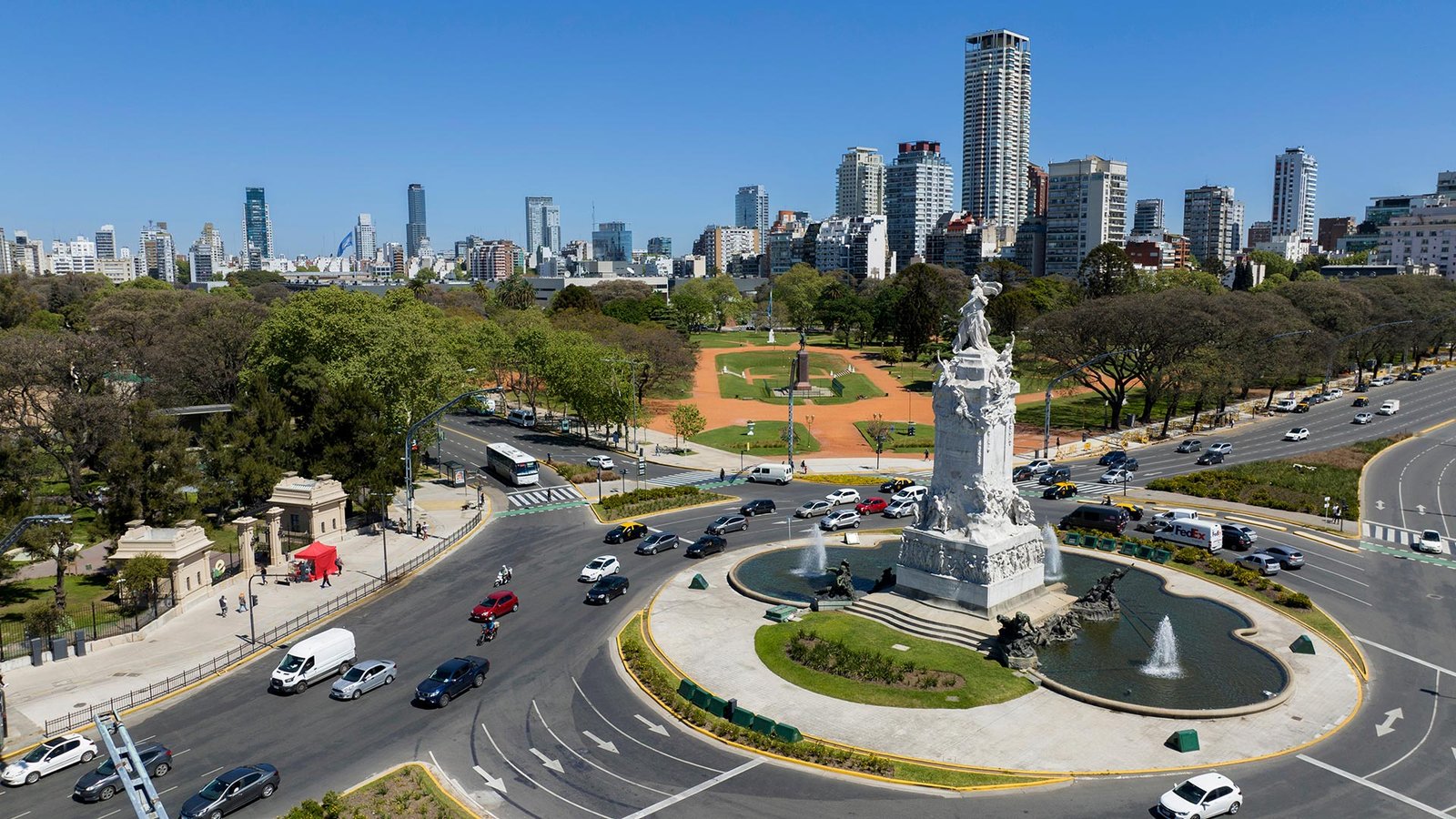
At just over 16 square kilometers, Palermo is the largest district in the city — and treating it as a single neighborhood is where most itineraries lose time.
Palermo Soho, around Plaza Serrano, is low-rise and walkable: boutiques, independent leather shops, and café-lined blocks. Palermo Hollywood, across the Juan B. Justo train tracks, is where the parrillas and cocktail bars concentrate. Palermo Chico, further east, holds the embassy mansions, the Rose Garden, the Japanese Garden, and the MALBA museum.
These three sections are close on a map and far on foot. Plan a taxi between them rather than assuming you can walk Soho to Chico in the time you'd budget for either one alone.
Timing matters here more than in any other district. Porteños eat dinner late — most restaurants open service around 8pm but don't fill up until 9:30pm or later, especially on weekends. A 7pm reservation in Palermo Hollywood means an empty room and a kitchen still finding its rhythm.
Which Neighborhoods Fit Your Trip
If your time is genuinely limited to a single day, prioritize San Telmo on a Sunday and Recoleta — between them you get colonial-era streets, the Sunday fair, and the cemetery in one loop connected by Line D.
If architecture and museums matter more than street life, spend the extra half-day in Recoleta and Monserrat rather than adding a second pass through Palermo.
If Boca Juniors or football history is the draw, build La Boca around the stadium tour specifically, and treat Caminito as the walk before or after it — not the other way around.
If you're traveling with kids or want a slower pace, Palermo's parks work better than a second historic district; the Rose Garden and the green space around it don't require the same time-of-day planning the others do.
If dining is a primary reason for the trip, build Palermo Hollywood into an evening rather than an afternoon, and book the table for 9pm or later — arriving at porteño dinner hour gets you a fuller room and a kitchen at full service, not just a technically open restaurant.
Transit, Safety Boundaries, and Pacing Logistics
Navigating Buenos Aires across distinct historic districts requires coordinated private transfers and expert local guidance to maximize comfort and time.
Private vehicles and drivers: provide seamless door-to-door transfers between non-adjacent quarters—such as transitioning from the tree-lined avenues of Recoleta to the cobblestone streets of San Telmo. Your vehicle remains on standby nearby, allowing you to walk targeted historic sectors with complete freedom and no waiting times.
Guided Tour and Neighborhood Boundaries: Certain historic areas, particularly La Boca and outer San Telmo, have distinct boundaries where prime historic corridors transition into local residential zones. Traveling with an experienced private guide eliminates safety guesswork. Your guide dynamically adjusts walking paths in real time, steering clear of dense tourist bottlenecks during busy market days while ensuring you explore within vetted, culturally rich perimeters.
Customized Daily Pacing: Itineraries are structured to balance immersive walking tours with relaxed transit. During warmer months (November through March), guided walking circuits around open plazas are scheduled for early mornings or late afternoons. Climate-controlled private vehicles serve as comfortable interludes between neighborhoods, giving you the flexibility to extend a wine lunch in Palermo or adapt your schedule spontaneously without rigid timetables.
The Bottom Line
Five districts, four days, and a route that respects each one's rhythm: San Telmo on a Sunday, La Boca before mid-afternoon, Recoleta with a card in hand, Palermo split across sub-districts rather than walked as one. None of it requires rushing , it requires sequencing, which is the part a fixed hop-on-hop-off schedule can't do for you.
Southwind Experience designs private journeys across Argentina and Chile, sequencing Buenos Aires around each traveler's onward destination.